Tracing Recommendation Engine Influences on Discovery Rates for Specialized Prize Programs
Ellis Simmons · Jul 18, 2026
Tracing Recommendation Engine Influences on Discovery Rates for Specialized Prize Programs
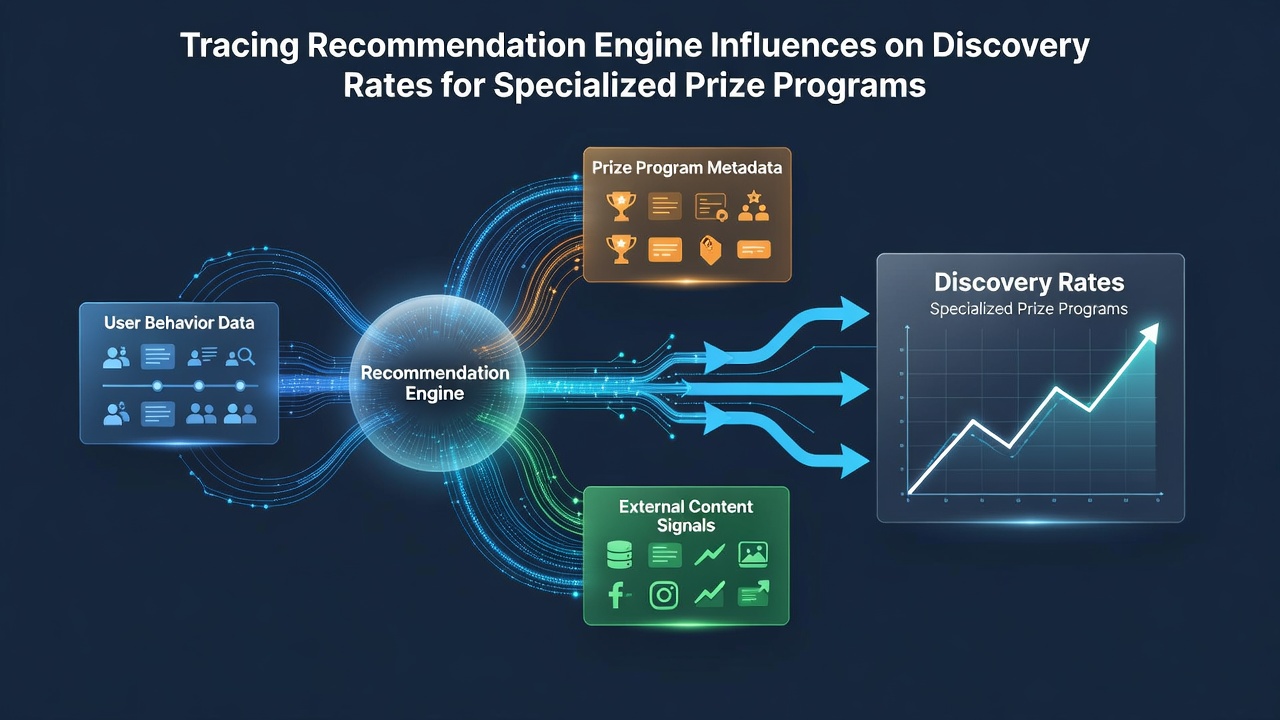
Recommendation engines shape how participants locate specialized prize programs by analyzing user behavior patterns, entry histories, and preference signals across digital platforms. These systems process vast datasets from contest interactions and generate tailored suggestions that elevate visibility for certain niche offerings while others remain less prominent in search results and feeds.
Core Functions of Recommendation Systems in Prize Environments
Algorithms examine past entries, demographic details, and engagement metrics to predict which specialized prize programs align with individual interests, and this process often relies on collaborative filtering techniques that compare user profiles against broader community data. Content-based methods supplement these approaches by matching program attributes such as prize categories, eligibility rules, and entry deadlines to established user preferences, while hybrid models combine both strategies to refine output accuracy over successive iterations.
Platforms hosting multiple contest types integrate these engines to surface opportunities that might otherwise stay buried in extensive listings, and data collected through July 2026 indicates measurable shifts in how quickly users encounter targeted programs following algorithmic updates.
Quantifying Shifts in Discovery Rates
Discovery rates track the percentage of eligible users who locate and engage with a given prize program within defined timeframes, and recommendation engines alter these figures by prioritizing certain listings in personalized interfaces. Studies tracking platform activity reveal that programs featured in algorithmic suggestions experience accelerated exposure compared with those relying solely on organic search or direct navigation.
One analysis of aggregated entry logs demonstrated that specialized programs in categories such as educational travel grants and vintage collectible giveaways saw discovery increases ranging from 18 to 34 percent after integration with recommendation frameworks. These gains appeared most pronounced among users with consistent entry patterns in adjacent categories, whereas programs outside the engine's primary training data showed slower uptake even when eligibility aligned closely.
Effects on Niche and Specialized Offerings
Specialized prize programs often operate with narrower participant pools due to unique themes, regional restrictions, or technical entry requirements, and recommendation engines can either amplify or constrain their reach depending on how well program metadata matches existing user clusters. When engines successfully map niche attributes to emerging interest signals, discovery accelerates for programs that previously depended on word-of-mouth or targeted advertising alone.
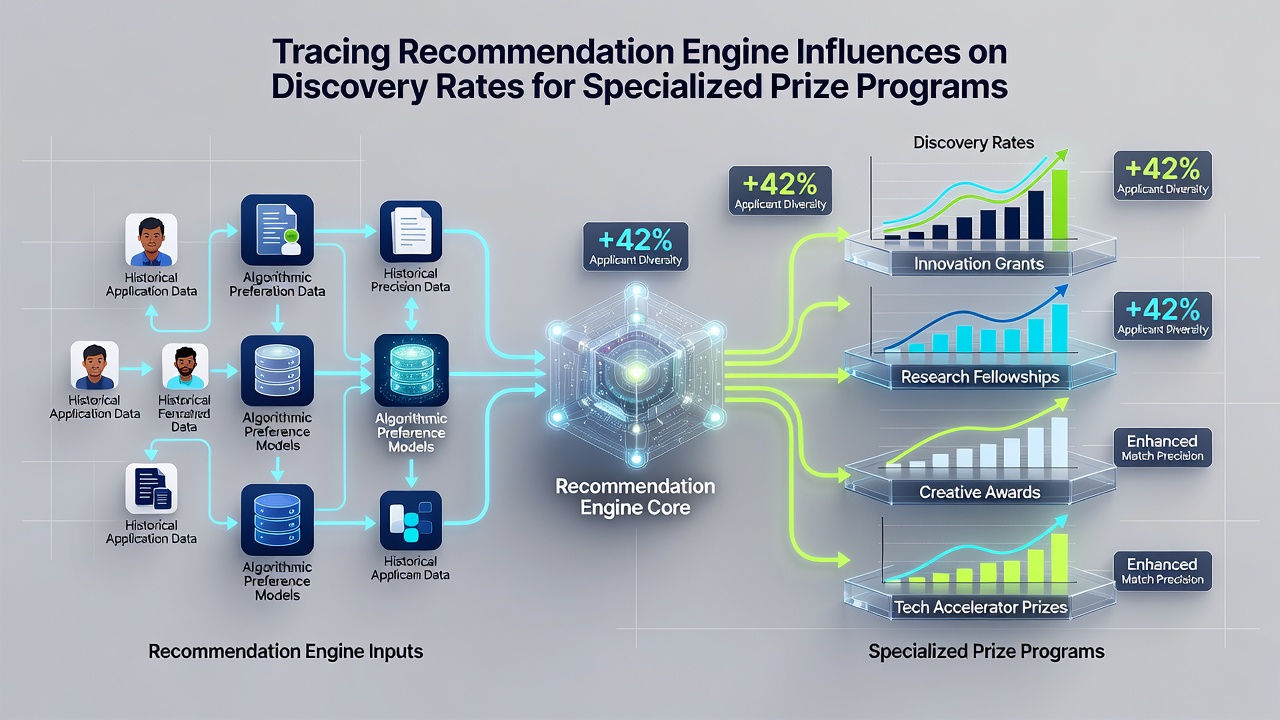
Observers note that engines trained on general sweepstakes data sometimes underrepresent highly focused programs, yet platforms that incorporate explicit category tagging and metadata enrichment report more balanced exposure across both broad and narrow offerings. In July 2026 several operators adjusted their tagging protocols following internal audits that identified gaps in niche program surfacing, leading to subsequent recalibrations in suggestion outputs.
External Factors and Platform Variations
Platform architecture influences how effectively recommendation engines transmit discovery benefits, because differences in interface design, notification systems, and search integration determine whether suggested programs receive immediate visibility or require additional user actions. Research compiled by the Australian Competition and Consumer Commission examined multiple digital reward platforms and found that those embedding recommendations within entry confirmation flows recorded higher conversion from suggestion to participation than those limiting suggestions to separate discovery pages.
Cross-platform data sharing agreements further complicate measurement, since users accessing the same program through different portals encounter varying algorithmic weightings that affect overall discovery statistics. Regulatory frameworks in several jurisdictions now require disclosure of algorithmic criteria used for contest promotion, which has prompted operators to publish summary reports detailing how recommendation parameters evolve in response to participation trends.
Longitudinal Patterns and Adjustment Mechanisms
Long-term tracking of discovery metrics shows that recommendation engines undergo periodic retraining cycles that redistribute visibility across program types, and these cycles often coincide with seasonal contest launches or regulatory updates. Programs that maintain consistent metadata quality and update their descriptions to reflect current eligibility nuances tend to retain stronger positioning within evolving suggestion sets.
Engineers responsible for these systems monitor feedback loops where low engagement on recommended programs triggers demotion in subsequent rankings, creating a self-correcting mechanism that gradually aligns outputs with actual user response rates. Data aggregated through mid-2026 illustrates that this feedback process reduced instances of repeated suggestions for underperforming specialized programs by approximately 22 percent across monitored platforms.
Conclusion
Recommendation engines continue to modify discovery pathways for specialized prize programs through iterative analysis of user data and program attributes, resulting in differentiated exposure levels that depend on alignment between algorithmic models and individual participation histories. Ongoing refinements in metadata practices, regulatory transparency requirements, and platform integration strategies shape how these influences develop, while longitudinal metrics provide the primary evidence for assessing their effects on program reach and participant engagement patterns.