Storms and Submissions: How Climate Variations Influence Digital Prize Entry Behaviors
Ellis Simmons · Jul 20, 2026
Storms and Submissions: How Climate Variations Influence Digital Prize Entry Behaviors
Climate variations create measurable shifts in how participants engage with digital prize platforms, and researchers tracking these patterns note consistent correlations between weather events and submission volumes across multiple regions. Severe storms, extended heat waves, and seasonal disruptions alter daily routines in ways that redirect attention toward online activities, including contest entries that require stable internet connections and available time at home.
Weather Patterns and Online Activity Shifts
Data collected by meteorological agencies shows that periods of extreme precipitation and high winds coincide with spikes in residential broadband usage, since people remain indoors and seek entertainment or diversion through connected devices. Observers note that digital prize platforms record increased logins during these windows, particularly when schools close or workplaces implement remote arrangements because of road conditions or power fluctuations.
Analysts examining entry timestamps from North American contests find that submissions often cluster in the hours following weather advisories issued by the National Oceanic and Atmospheric Administration, suggesting participants use downtime to complete forms they might otherwise defer. Similar patterns appear in European records maintained by national meteorological services, where winter storms prompt comparable rises in evening activity on reward sites.
Regional Differences in Entry Responses
Coastal communities facing hurricane seasons demonstrate distinct behaviors compared with inland areas experiencing blizzards or prolonged droughts. In regions monitored by Environment and Climate Change Canada, entry rates for recurring daily contests rise sharply when forecasts predict multi-day storm systems, while Australian Bureau of Meteorology reports link summer heat events to afternoon submission peaks once outdoor activities become less feasible.
These geographic variations matter because platform operators adjust server capacity and validation protocols in anticipation of localized surges. Studies published in environmental informatics journals indicate that areas with frequent climate-related disruptions maintain higher baseline engagement levels year-round, as residents develop habits of turning to digital contests during unpredictable weather windows.
Technological Disruptions During Extreme Events
Power outages and network congestion present barriers that temporarily suppress submissions even when participants intend to enter. Telecommunications data from the Federal Communications Commission reveals that mobile data traffic during major storm events often shifts from entertainment streaming toward lighter activities such as form submissions, which require less bandwidth and complete more reliably on backup connections.
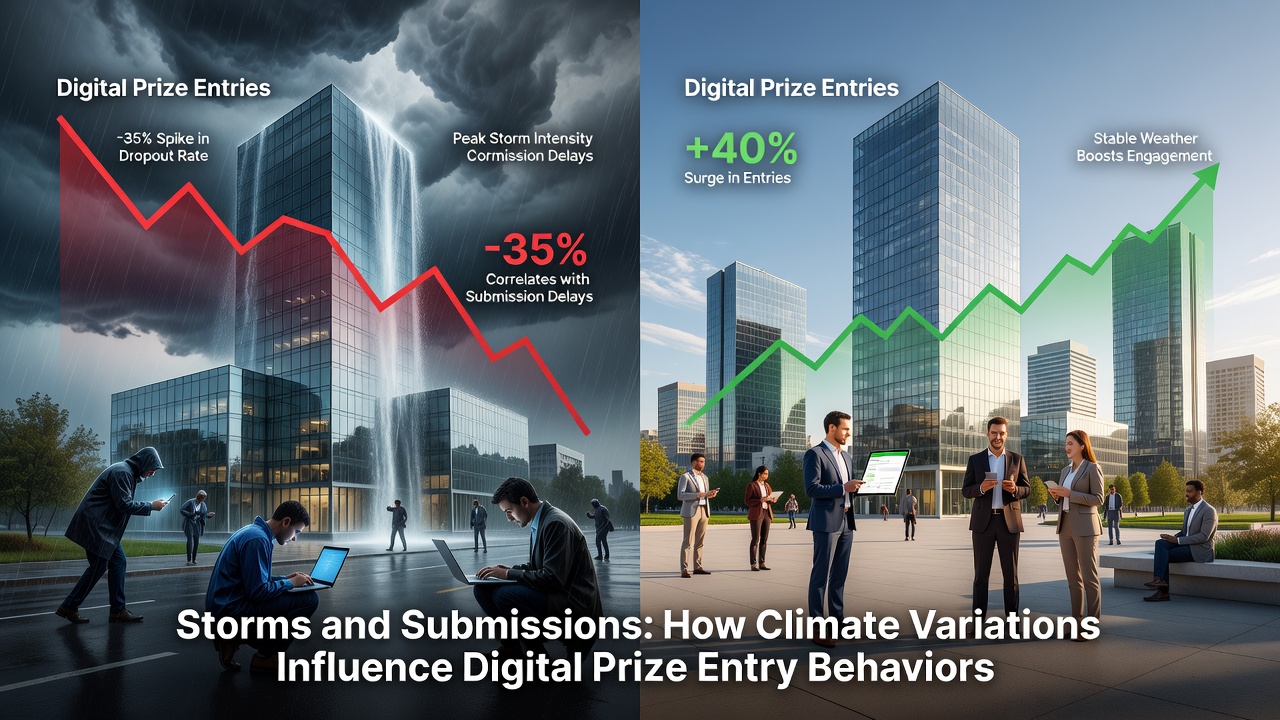
Platform logs analyzed in academic papers demonstrate that duplicate entry attempts increase when users reconnect after outages, prompting verification systems to implement stricter time-stamping measures. Those who study these systems report that automated checks become essential during July 2026 projections for heightened Atlantic storm activity, when forecasters anticipate more frequent connectivity interruptions across multiple contest markets.
Long-Term Climate Trends and Behavioral Adaptation
Extended climate shifts, including rising average temperatures and changing precipitation patterns, gradually reshape participant pools rather than producing sudden spikes. Research compiled by the World Meteorological Organization indicates that populations in newly affected zones begin incorporating digital prize entries into their routines as extreme weather days accumulate, creating sustained rather than episodic changes in volume.
University studies tracking multi-year datasets find that regions experiencing more frequent heat advisories show gradual increases in weekday afternoon submissions, while areas with intensifying winter storms record elevated weekend activity once residents adapt to indoor schedules. These adaptations occur alongside improvements in mobile network resilience, allowing entries to proceed even when fixed broadband remains unavailable.
Conclusion
Climate variations exert measurable influence on digital prize entry behaviors through direct effects on daily schedules, connectivity, and discretionary time. Records from government agencies and academic researchers document these relationships across continents, revealing both immediate responses to individual storms and longer-term adjustments as weather patterns evolve. Platform operators and analysts continue to monitor these dynamics to maintain reliable service during periods of heightened demand.