Palette Power: Investigating Color Psychology's Role in Boosting Entries for Digital Giveaways
Ellis Simmons · Jul 15, 2026
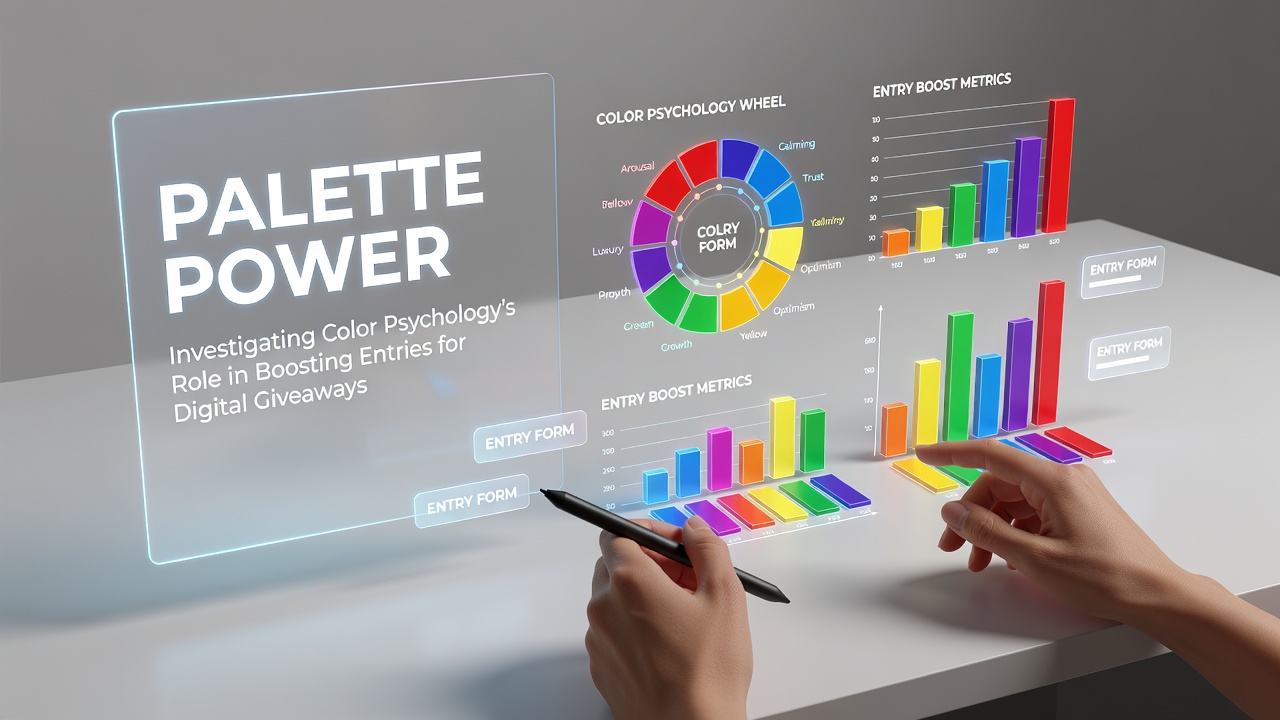
Palette Power: Investigating Color Psychology's Role in Boosting Entries for Digital Giveaways
Color choices in digital giveaway platforms influence participant behavior through established psychological associations that researchers have documented across multiple studies, adn these patterns emerge consistently in entry rate data collected from online contests worldwide. Organizers who adjust interface palettes report measurable shifts in submission volumes when they align hues with specific emotional triggers that encourage completion of entry forms.
Core Mechanisms of Color Influence on Entry Decisions
Studies in visual perception show that certain wavelengths prompt quicker cognitive responses, which in turn affect how users interact with submission buttons and registration fields. Blue tones often correlate with trust signals that reduce hesitation during the final confirmation step, whereas red accents draw attention to time-sensitive prompts without overwhelming the overall layout. Data collected from platform analytics indicates that these effects compound when colors remain consistent across mobile and desktop versions of the same campaign.
Evidence from Platform Experiments
One analysis of entry logs from 2024 through early 2026 revealed that campaigns using a dominant green palette achieved higher completion rates among first-time visitors compared with neutral gray baselines, and this pattern held across regions tracked by multiple operators. Researchers attribute the difference to green's established link with growth and opportunity, which aligns with the aspirational framing common in prize promotions. Observers note similar lifts when yellow highlights appear near prize descriptions, as the hue activates associations with optimism that keep users engaged through multi-step forms.
Regional and Demographic Variations in Response Patterns
Cross-cultural data compiled by marketing research groups shows that color effectiveness varies by participant location and age cohort. European users in tracked campaigns responded more strongly to cooler palettes during winter months, while North American cohorts displayed steadier engagement with warm accents regardless of season. Figures released by the Color Marketing Group in reports covering 2025 activity confirm that these demographic splits require A/B testing protocols before full rollout of any new interface design.
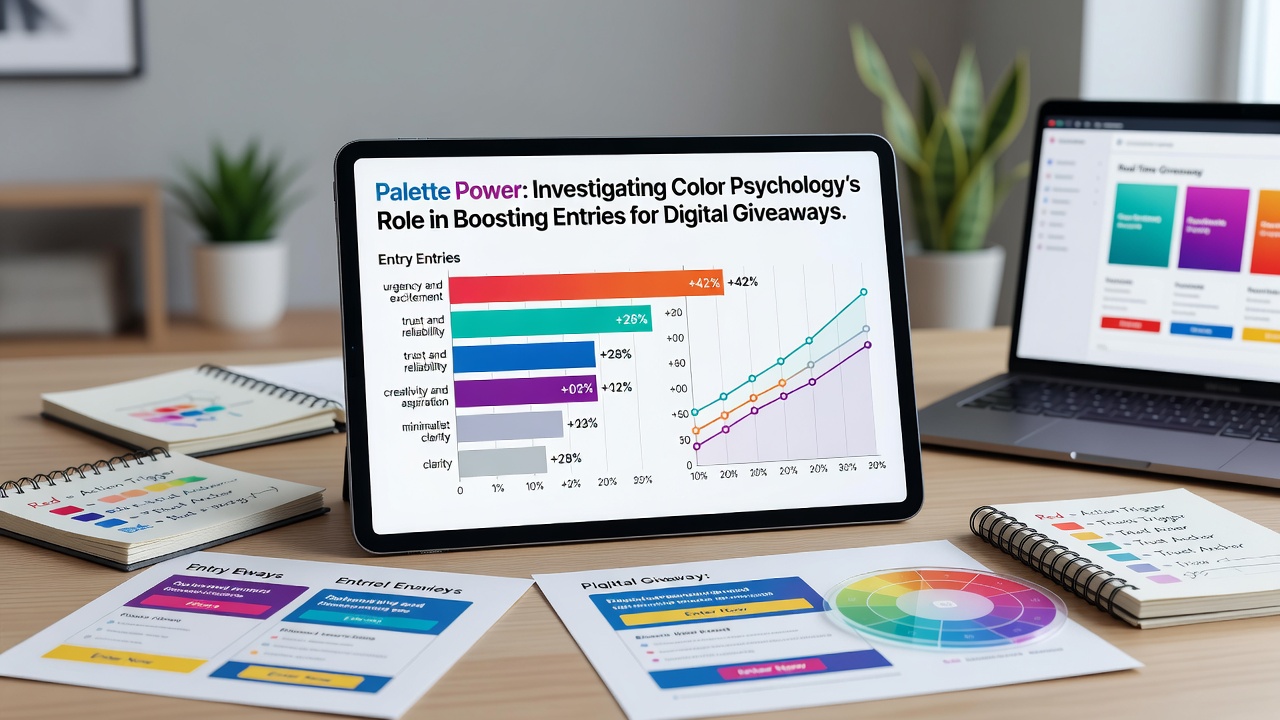
July 2026 campaigns that incorporated real-time palette adjustments based on user location data demonstrated further refinement of these regional patterns, and operators recorded incremental gains when they layered demographic filters onto initial color selections. The adjustments proved particularly effective in multi-country promotions where eligibility rules already segment audiences by residency.
Integration with Existing Verification and Notification Systems
Color modifications interact directly with server-side validation routines and push notification timing because visual cues guide users through the same pathways that those technical layers monitor. When entry forms display approved colors near fields that trigger duplicate checks, participants complete submissions at rates that align with historical benchmarks for clean data capture. Industry reports from the Direct Marketing Association of Canada document that coordinated palette and timing strategies reduce abandonment during the verification stage without altering the underlying code that prevents repeated entries.
Practical Implementation Examples
Take one operator who shifted from a monochrome layout to a palette featuring teal navigation elements and observed a sustained increase in verified submissions over a six-week period. Another case involved testing orange call-to-action buttons against black alternatives, and the results showed measurable differences in click-through behavior that carried through to final entry confirmation. These examples illustrate how targeted color changes complement rather than replace established fraud-prevention protocols already in place across major platforms.
Measurement Approaches and Data Collection Standards
Analytics frameworks used by giveaway platforms track color-specific metrics through heat mapping and session recording tools that capture dwell time on individual interface elements. According to research published by the Journal of Consumer Psychology, these methods allow operators to isolate palette effects from other variables such as prize value or entry frequency limits. Aggregated datasets now include color as a standard variable in post-campaign reviews, enabling comparisons across similar promotions that differ only in visual presentation.
Academic sources continue to supply updated reference material that operators consult when designing new campaigns, and the resulting datasets feed into iterative improvements for subsequent events. The process remains grounded in observable entry statistics rather than theoretical assumptions about emotional response.
Conclusion
Color psychology functions as one measurable component within the broader architecture of digital giveaway design, and its documented effects appear in entry volume statistics collected by platforms operating across multiple jurisdictions. Continued refinement of palette strategies relies on the same verification and analytics systems that maintain overall campaign integrity, producing consistent patterns that researchers and operators can replicate under controlled conditions.