Network Ripples: Referral Chains Expanding Reach in Recurring Digital Reward Programs
Cameron Koch · Aug 19, 2026
Network Ripples: Referral Chains Expanding Reach in Recurring Digital Reward Programs
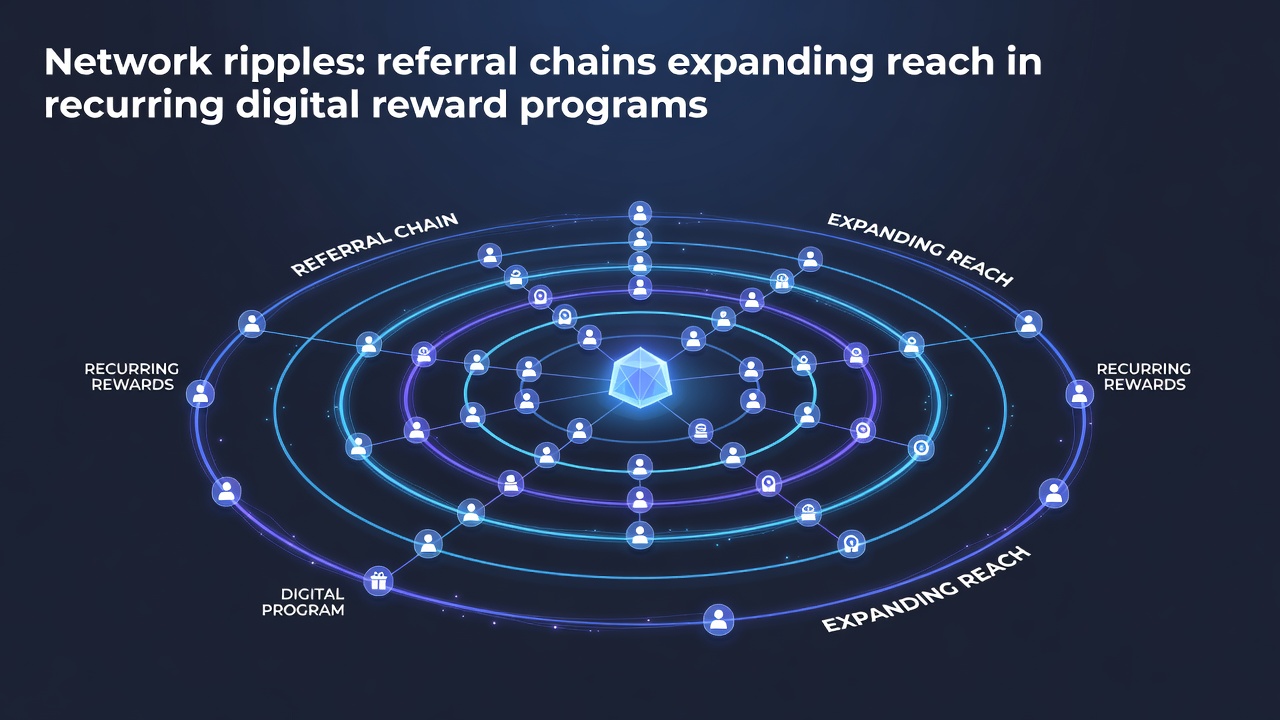
Referral chains in recurring digital reward programs operate through structured invitation systems where existing participants share unique links or codes to recruit new users, and each successful sign-up triggers additional entry opportunities or points that propagate further along the network. These mechanisms rely on automated tracking software that logs relationships between referrers and new enrollees, creating layered pathways that increase overall program participation without direct advertising spend from the operators. Data from multiple industry reports indicates that such chains often multiply user bases by factors of three to five within the first three months of a program's launch cycle.
Mechanics of Chain Formation
Users receive referral incentives such as bonus points or extended eligibility windows upon verification of a new participant's first activity, and the process repeats when those newcomers issue their own invitations. Software platforms log each connection timestamp along with device identifiers and IP addresses to maintain accurate attribution records. Observers note that programs in August 2026 recorded average chain depths of four to seven levels before participation rates stabilized, according to aggregated analytics shared across multiple reward platform providers. This structure allows operators to monitor growth patterns while participants benefit from compounded rewards that accumulate as their downstream networks engage with daily or weekly tasks.
Reach Expansion Patterns
Network effects emerge when initial users extend invitations across social platforms and messaging apps, and subsequent recruits repeat the cycle with their own contacts. Research indicates that geographic spread accelerates once chains cross regional boundaries, since eligibility rules in many programs permit participation from multiple countries provided tax reporting requirements are met. One documented case involved a points-based loyalty application where referral activity in the first quarter of 2026 produced a 280 percent increase in active accounts across North America and Europe combined. Program administrators track these expansions through dashboard metrics that display real-time referral trees, allowing adjustments to incentive tiers when growth plateaus occur.
Statistical Evidence and Measurement
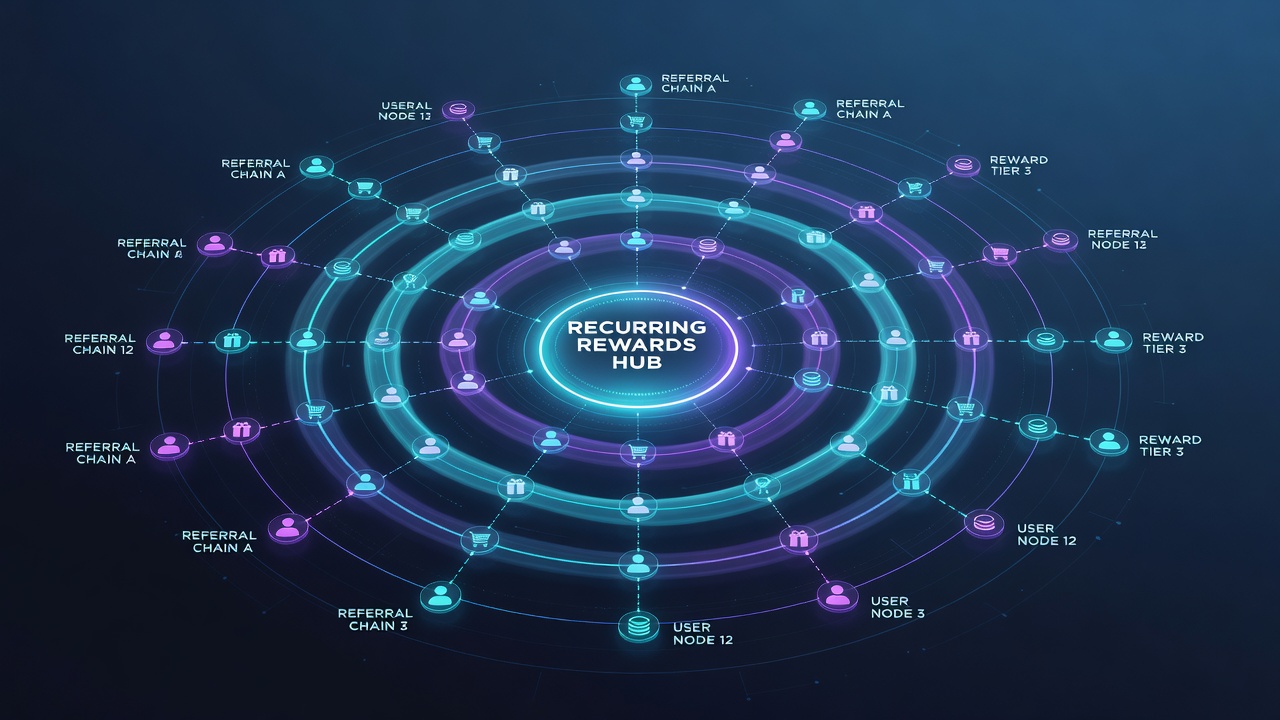
Figures from marketing analytics firms reveal that referral-driven acquisition accounts for between 35 and 55 percent of new enrollments in recurring reward programs tracked during 2025 and 2026. A Federal Trade Commission report on digital endorsements outlines disclosure requirements that many programs incorporate into their referral interfaces to ensure transparency. European data protection authorities have similarly documented compliance patterns in user consent flows tied to chain tracking. These measurements help operators forecast server load increases and adjust notification schedules to maintain engagement without overwhelming participants.
Verification Protocols Across Chains
Operators implement multi-stage validation that checks email domains, phone numbers, and social account linkages before crediting rewards to any point in the chain. Duplicate detection algorithms compare new entries against historical databases to prevent artificial inflation of referral counts. Studies from academic researchers at institutions in Canada and Australia have examined how these protocols affect chain velocity, finding that streamlined verification reduces drop-off rates by approximately 22 percent compared with manual review processes. Participants receive status updates via in-app messages or email summaries that detail which downstream activities have qualified for bonuses.
Cross-Platform Integration Effects
Many programs now connect referral systems with mobile applications and web portals simultaneously, and this allows chains to extend through push notifications and email campaigns that prompt further sharing. Data shows correlation between notification timing and spikes in chain activity, particularly when messages align with user time zones. Industry organizations such as the Interactive Advertising Bureau have published guidelines on maintaining consistent user experiences across devices while preserving attribution accuracy. Those who manage large-scale programs often adjust incentive structures seasonally to sustain momentum through slower growth periods.
Compliance and Regulatory Considerations
Tax authorities in various jurisdictions require reporting of reward values distributed through referral networks, and program operators maintain records that link payouts to specific chain positions. Regulatory bodies in Australia and the European Union have issued guidance on data handling practices that affect how referral information is stored and shared. Compliance teams review chain activity logs periodically to identify patterns that might indicate coordinated activity requiring additional scrutiny. These measures help sustain long-term program viability while meeting legal standards across operating regions.
Conclusion
Referral chains continue to shape participation dynamics in recurring digital reward programs by leveraging existing user connections to drive measurable growth. Tracking technologies and verification systems support the scalability of these networks, while statistical data from multiple sources documents their contribution to overall reach. Operators and participants alike benefit from the structured incentives that maintain activity across successive levels of each chain.