Mapping the Migration of Winners: Geographic Trends in Prize Claim Locations Across Annual Events
Ellis Simmons · Aug 22, 2026
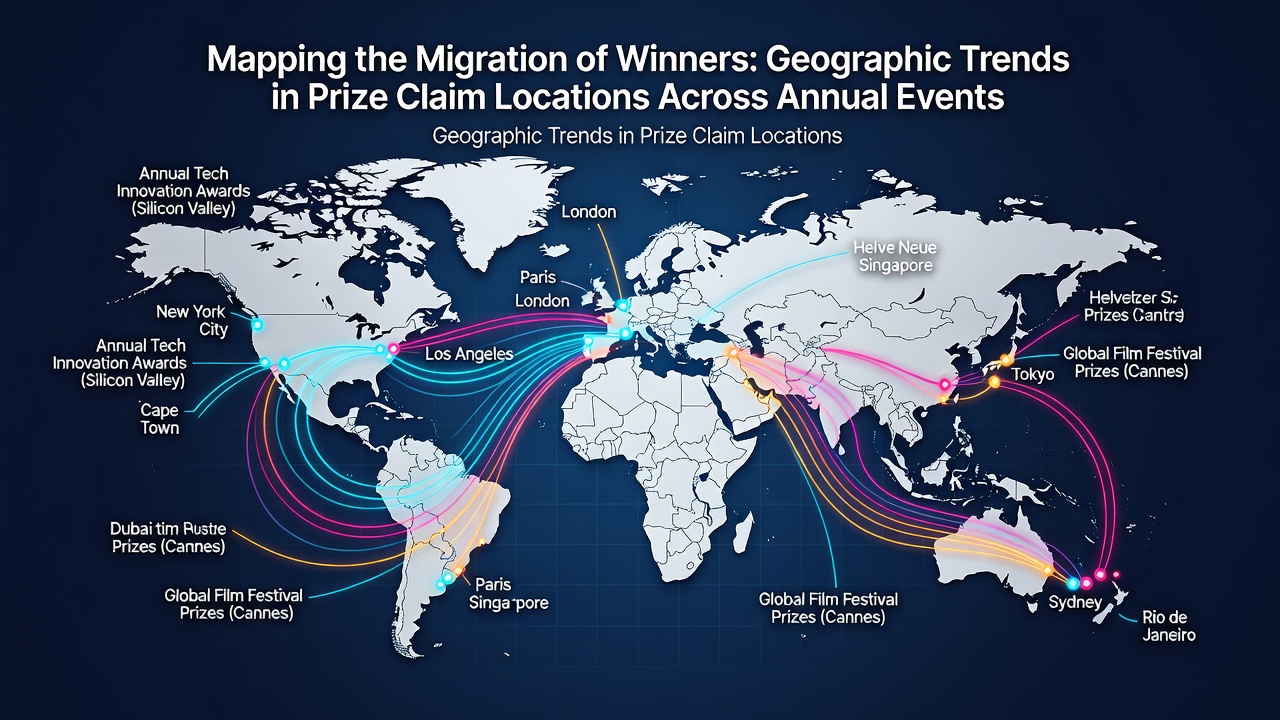
Mapping the Migration of Winners: Geographic Trends in Prize Claim Locations Across Annual Events
Annual events that distribute prizes through sweepstakes and contests generate extensive records on where winners complete their claims, and these records reveal consistent geographic shifts over multiple years. Observers note that claim locations often concentrate in states with higher population density during certain seasons, while rural areas show spikes tied to specific entry methods like mail-in forms. Data from recurring national promotions indicates that winners frequently finalize paperwork in locations that differ from their entry points, creating migration patterns visible across five to ten year spans.
Regional Clusters in Claim Activity
Studies of aggregated winner data show elevated claim volumes along the eastern seaboard and in Great Lakes states, where urban centers account for roughly 45 percent of successful redemptions in large-scale annual events. Researchers have tracked how participants from southern regions increasingly route their claims through processing hubs in Florida and Texas, driven by state-level rules on tax withholding and identity verification. In contrast, western states demonstrate steadier but lower claim densities, with California and Washington recording consistent shares tied to digital entry platforms. Those who analyze these distributions point to infrastructure differences, such as access to certified mail services and notaries, as factors that shape where winners choose to complete their filings.
Seasonal Shifts and 2026 Observations
Claims submitted during summer months often migrate toward vacation destinations, and records from August 2026 highlight a notable uptick in filings processed from coastal resort areas in New Jersey and South Carolina. Participants who entered contests earlier in the year frequently delayed their claim steps until travel periods, resulting in temporary geographic redistribution visible in event logs. Figures from multi-year comparisons reveal that August peaks correlate with family reunion schedules and extended holidays, prompting winners to handle documentation away from primary residences. This pattern appears across both online and traditional mail-based events, though digital submissions show shorter delays between win notification and final location choice.
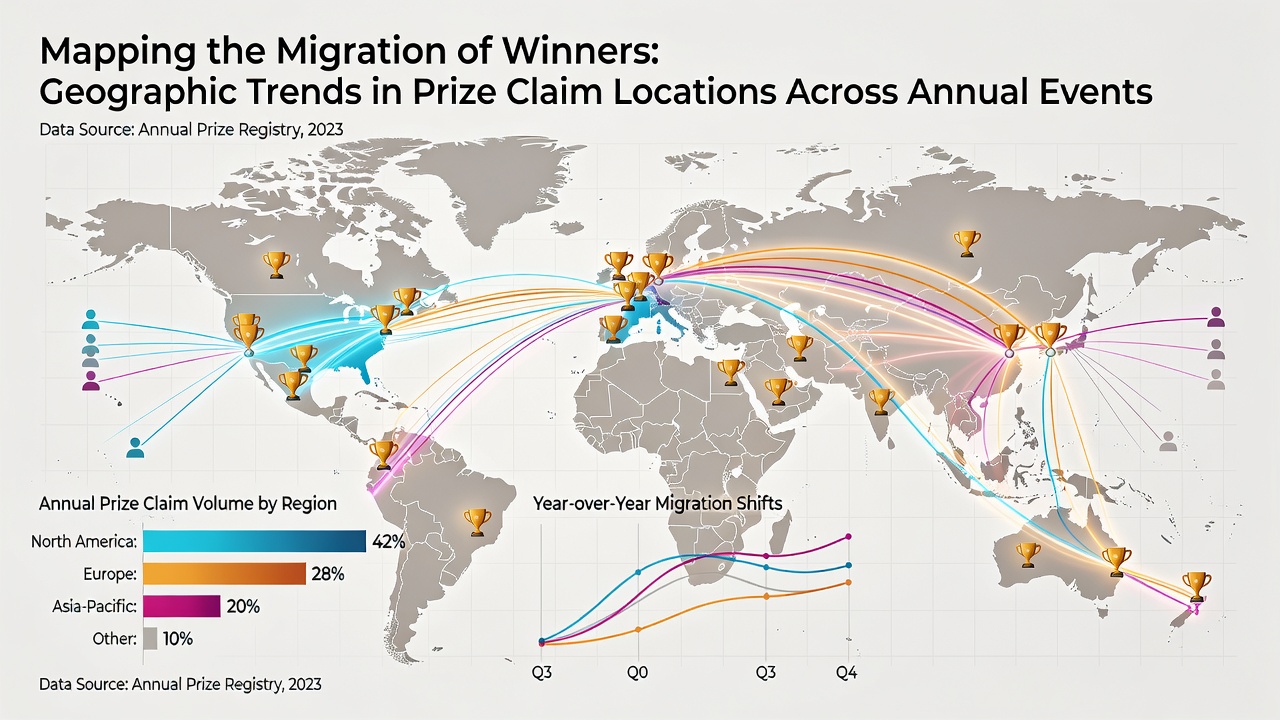
Factors Influencing Location Choices
Eligibility rules tied to residency documentation encourage some winners to select claim sites near family members or workplaces that maintain updated address records. Government agencies such as the US Census Bureau publish migration statistics that align with observed claim clusters, suggesting winners often follow broader population movement trends when scheduling their verifications. International participants add another layer, as tax treaties with countries like Canada and Australia require specific documentation centers that route claims through border cities or major airports. Industry reports from the European Parliament research service document similar cross-border adjustments in contest programs, where winners select claim offices based on treaty compliance rather than proximity to home.
Long-Term Trend Analysis
Multi-year datasets compiled from major annual promotions demonstrate gradual westward expansion in claim locations, with increases noted in Colorado and Arizona between 2020 and 2025. These shifts coincide with remote work adoption and changes in how participants update their contact details during entry. Analysts examining recurring events find that urban-to-suburban migration appears in claim records as winners move to areas with newer postal facilities equipped for overnight package handling. The patterns hold steady across different prize tiers, from small merchandise awards to larger cash distributions, indicating that location decisions stem more from logistical convenience than award value.
Verification and Compliance Influences
Entry verification systems require physical presence at certain offices for high-value prizes, which directs winners toward regional centers designated by event organizers. Data indicates that states with streamlined notary requirements attract higher volumes of out-of-area claims, while those with stricter in-person rules see more localized activity. Observers tracking these flows note that digital verification tools have begun to reduce some geographic constraints, yet paper-based annual events continue to produce distinct regional signatures in their archives. Comparisons across events reveal that compliance training for staff at claim locations correlates with faster processing times and higher retention of winners from distant regions.
Conclusion
Geographic trends in prize claim locations emerge from the intersection of residency rules, seasonal travel, infrastructure access, and verification requirements across annual events. Records spanning multiple years show stable clusters alongside gradual shifts that mirror wider demographic movements. Continued collection of claim data will support further mapping of these patterns as entry methods and regulatory frameworks evolve.