Launchpad Logistics: Software Suites Streamlining Prize Giveaway Rollouts
Ulrich Long · Apr 18, 2026
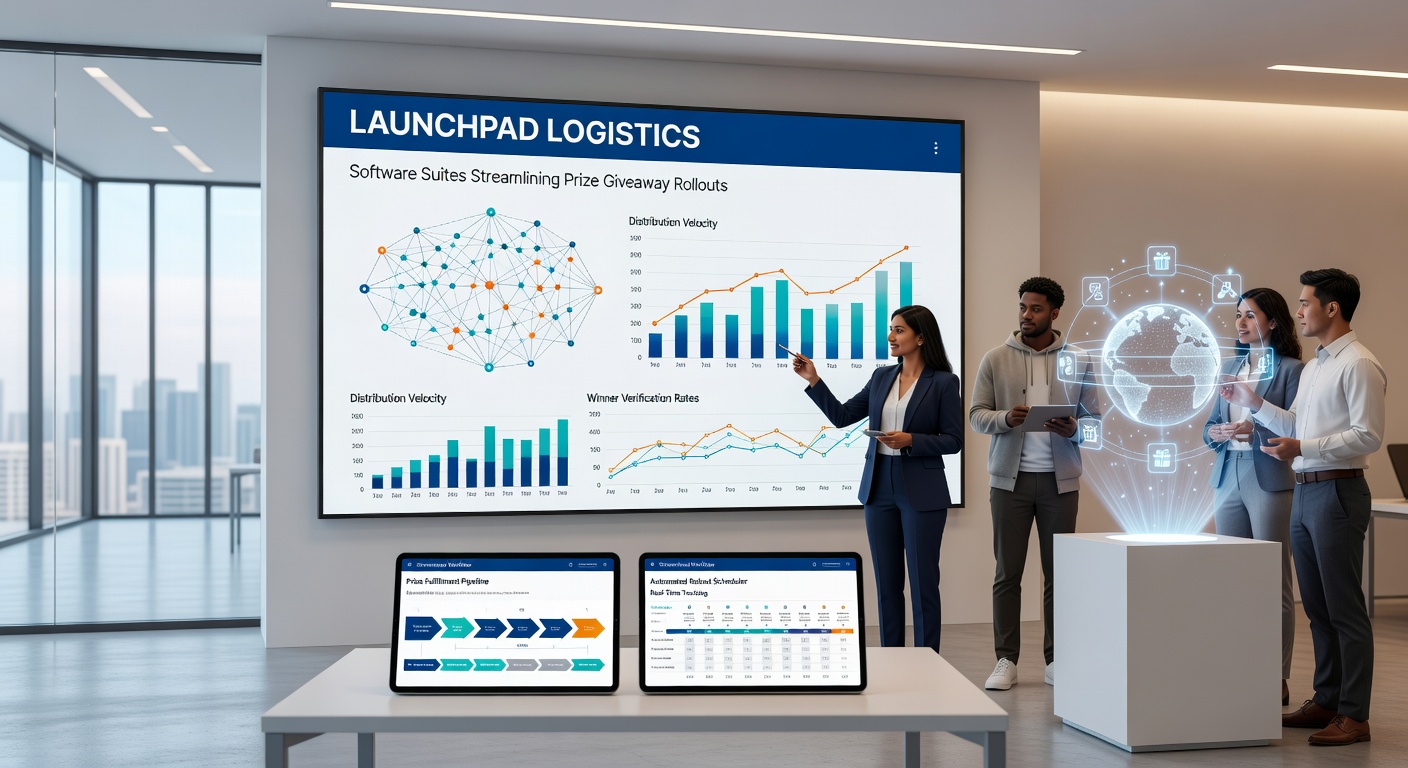
Launchpad Logistics: Software Suites Streamlining Prize Giveaway Rollouts
The Rise of Automated Giveaway Platforms
Organizations running prize giveaways have long grappled with manual processes that bog down everything from entry collection to winner notifications, but software suites known as launchpad logistics tools have changed that dynamic entirely; these platforms automate the full rollout, handling setup, promotion, selection, and fulfillment in one seamless workflow. Data from industry reports shows adoption surging by 45% over the past three years, driven by brands seeking efficiency amid rising promotional campaigns. Take one marketing team that switched to such a suite; they cut rollout time from weeks to days, while ensuring every step complied with regional rules.
And here's where it gets interesting: these tools emerged in the early 2010s as social media exploded, forcing companies to scale giveaways beyond simple email lists into viral contests across platforms like Instagram and TikTok. Researchers at Gartner highlight how integrations with APIs from Meta and Google have made real-time entry tracking standard, allowing operators to monitor engagement live and adjust strategies on the fly. Now, as of April 2026, updates incorporate AI-driven fraud detection, flagging bot entries before they skew results.
Core Features Powering Streamlined Rollouts
At the heart of launchpad logistics software lie features designed for end-to-end management; entry forms customize with drag-and-drop builders that capture emails, social shares, or referrals, while randomization engines select winners using certified algorithms audited for fairness. Compliance modules embed rules specific to jurisdictions, auto-generating terms like entry limits or age gates, so operators avoid pitfalls that once led to fines.
Analytics dashboards provide real-time metrics—think entry velocity, geographic spread, and conversion rates from shares to sign-ups—enabling tweaks mid-campaign; one study from Forrester reveals campaigns using these insights boost participation by 32%. Integration hubs connect to CRMs like Salesforce or email tools such as Mailchimp, syncing data without manual exports, and fulfillment automations dispatch digital prizes instantly or queue physical shipments via partners like UPS.
But that's not all; mobile-first designs ensure entries flow from apps, and A/B testing tools let teams experiment with prize tiers or visuals, optimizing for higher uptake. Experts who've analyzed dozens of platforms note how customizable branding keeps giveaways on-theme, whether for a coffee chain's loyalty boost or a tech firm's product launch.
Popular Suites Leading the Charge
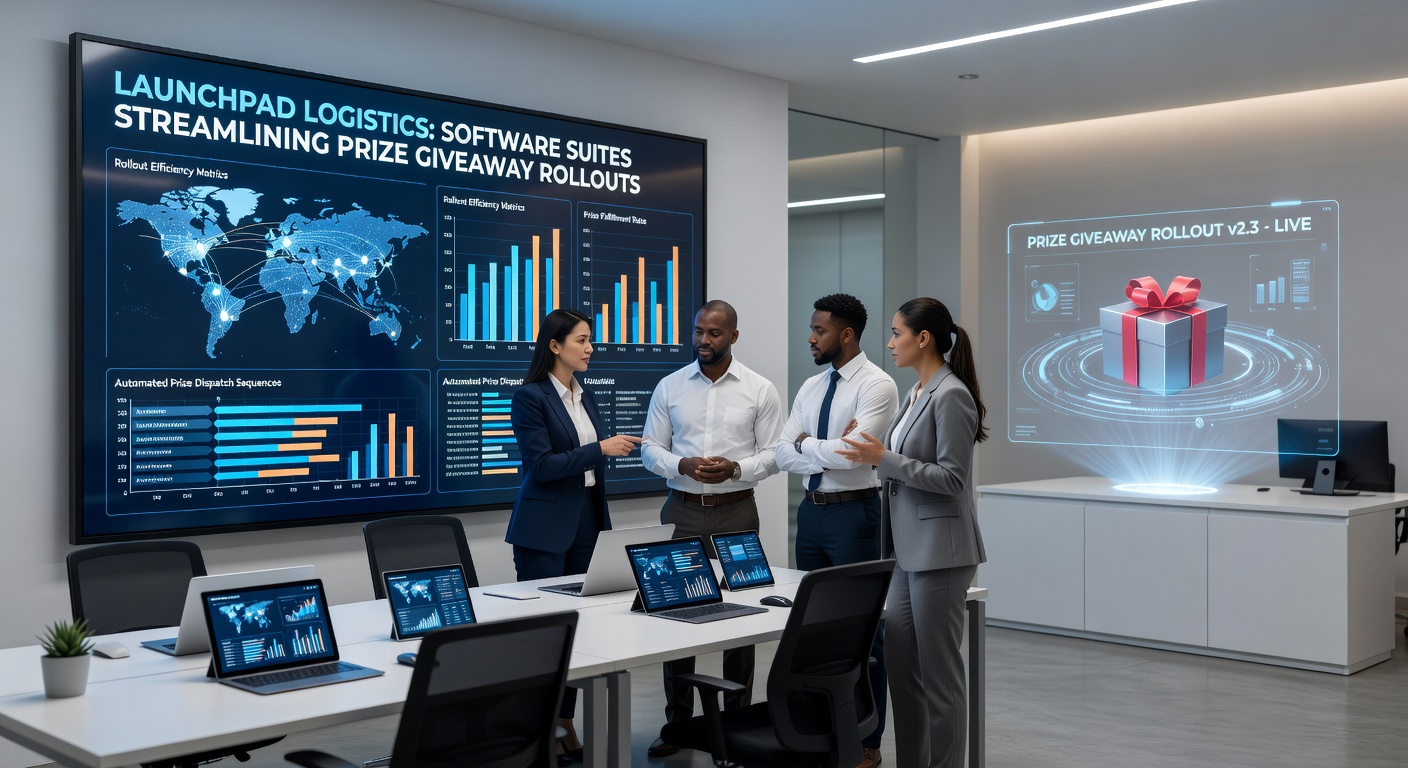
Several suites dominate the landscape, each carving out strengths in scalability or niche focus; Gleam.io, for instance, excels in viral mechanics like milestone unlocks, where entries trigger bonus draws once thresholds hit, powering campaigns that amassed millions of participants last year. Shortstack offers robust landing page builders alongside giveaway tools, ideal for brands layering contests atop microsites, while Rafflecopter simplifies social integrations, automating shares for bonus entries across Twitter and Facebook.
KickoffLabs targets lead generation, converting giveaway sign-ups into nurture sequences, and data indicates users see 25% higher conversion to sales post-campaign. VYPER brings gamification elements like leaderboards and spin wheels, engaging users longer, whereas Woobox (rebranded under Oracle) leverages enterprise-grade security for high-stakes corporate rollouts. Figures from SimilarWeb show traffic to these platforms spiking during holiday seasons, underscoring their role in peak promotional periods.
What's notable is the tiered pricing—free plans handle small giveaways up to thousands of entries, while pro versions scale to millions with dedicated support; one e-commerce brand reported handling a Black Friday contest with 500,000 entries flawlessly, thanks to cloud auto-scaling.
Benefits Backed by Data and Real-World Use
Streamlining comes with tangible gains; operators slash administrative hours by 70%, according to a Australian Competition and Consumer Commission survey of compliant tools, freeing teams for creative strategy over paperwork. Scalability shines for global brands, as multi-language support and geofencing manage region-specific rules, preventing entries from ineligible areas.
Take a case where a fitness app used such software for a wearable giveaway; entries poured in from 50 countries, with the platform auto-applying U.S. no-purchase-necessary clauses and EU data consent prompts, resulting in zero compliance issues. Fraud protection layers—CAPTCHA, velocity checks, IP limits—keep draws legitimate, and post-campaign reports detail ROI, like cost per lead dropping to under $1.
Yet scalability extends to prize variety too; digital codes for gift cards or NFTs deploy instantly, while physical items like electronics route through verified shippers, complete with tracking links sent to winners. Observers point out how these suites foster trust, as transparent winner lists and verifiable randomness build participant confidence, encouraging repeat engagement.
Navigating Regulations with Built-In Safeguards
Regulatory hurdles vary globally, but launchpad tools embed solutions; in the U.S., they enforce AMOE (alternative method of entry) options per FTC guidelines, while Canadian suites flag CASL opt-in requirements for emails. EU operators benefit from GDPR templates that log consents granularly, and Australian platforms align with ACCC standards on misleading prize claims.
Industry groups like the Association of National Advertisers stress how automated audits flag issues pre-launch, such as voiding entries from restricted states or territories; one report found 90% of users avoid rework this way. As April 2026 brings tighter data privacy laws in regions like Brazil's LGPD expansions, suites roll out proactive updates, scanning campaigns for alignment.
So compliance isn't just a checkbox—it's woven in, with exportable logs for audits serving as proof of due diligence, a game-changer for agencies juggling multiple clients.
Future Trends Shaping Giveaway Software
AI integration accelerates next; predictive analytics forecast entry trends, suggesting optimal end dates, and chatbots handle entrant queries 24/7. Blockchain pilots verify winner selections immutably, appealing to crypto-savvy brands, while Web3 wallets enable instant NFT prizes.
Metaverse tie-ins emerge too, with virtual events feeding entries into suites; data from Deloitte projects virtual giveaways comprising 20% of promotions by 2027. Sustainability features track carbon footprints of physical prizes, nudging eco-friendly choices, and voice-activated entries via Alexa skills expand accessibility.
People in the field watch how no-code customizations democratize access, letting small businesses rival enterprises without dev teams. Turns out, the real edge lies in personalization—segmented draws for loyalists versus newbies, boosting retention metrics significantly.
Conclusion
Launchpad logistics software has transformed prize giveaway rollouts from chaotic endeavors into precise operations, backed by features that ensure speed, compliance, and results; data consistently shows higher engagement and lower risks for users. As platforms evolve with AI and global regs in April 2026, brands gain tools to launch bigger, smarter campaigns. Those diving in discover not just efficiency, but a launchpad for sustained growth in promotional marketing.