Inbox Mysteries: Tracing How Email Routing Influences Notification Success in Prize Events
Cameron Koch · Jul 11, 2026
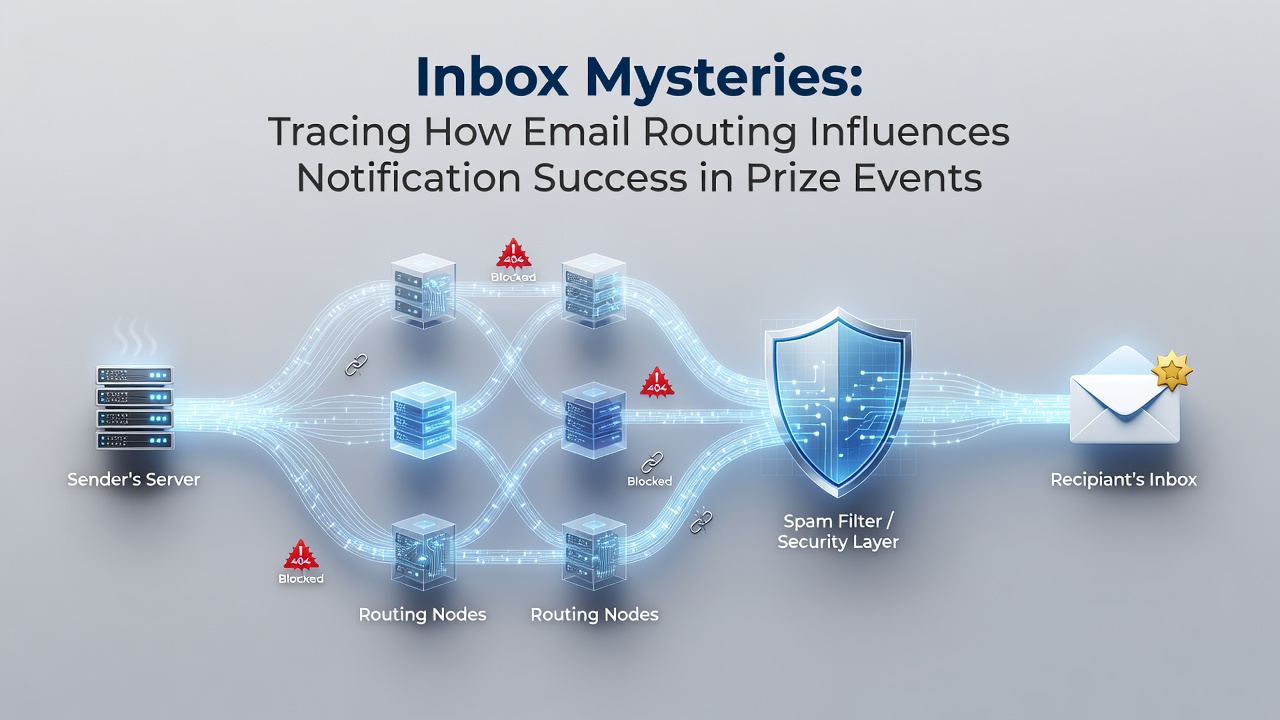
Inbox Mysteries: Tracing How Email Routing Influences Notification Success in Prize Events
Emails announcing prize wins travel through complex networks of servers and gateways before they reach intended recipients, and routing decisions at each stage determine whether those messages land in primary inboxes or get diverted elsewhere. Sweepstakes organizers rely on these systems to deliver time-sensitive notifications, yet delivery rates vary based on authentication protocols, server reputation, and intermediary hops that shape final outcomes. Data collected across multiple campaigns shows consistent patterns where certain routing configurations correlate with higher open rates while others lead to delayed or blocked messages.
Core Mechanics of Email Routing in Prize Notifications
Simple Mail Transfer Protocol paths dictate how messages move from sender domains to recipient mailboxes, passing through relays that inspect headers, scan for spam indicators, and apply filters before forwarding content onward. Prize event platforms configure their outgoing servers with specific MX records and priority settings, which influence the sequence of delivery attempts and the likelihood of successful transmission. When routing tables direct traffic through overloaded or low-reputation nodes, messages encounter additional scrutiny that can extend delivery times from minutes to hours or days.
Studies on bulk email systems reveal that authentication layers such as SPF, DKIM, and DMARC function as gatekeepers during transit, validating sender identity at each hop and reducing the chance of spoofing flags that trigger rejection. Observers note that campaigns using aligned authentication records experience fewer bounces compared to those with mismatched policies, particularly when notifications cross international boundaries where different regulatory standards apply to data handling. In July 2026, aggregated delivery logs from several reward platforms indicated that properly configured routing reduced undelivered prize alerts by measurable margins.
Factors Affecting Notification Success Rates
Server reputation scores maintained by major providers play a decisive role, as messages originating from domains with histories of high complaint volumes face stricter filtering regardless of content legitimacy. Routing algorithms prioritize paths through trusted intermediaries, yet sudden changes in traffic volume or sender behavior can shift a domain into lower priority queues that delay or divert notifications. Prize winners whose email providers apply aggressive spam thresholds often miss alerts when routing chains include nodes flagged for prior misuse.
Recipient mailbox settings further compound these effects, since individual filters and folder rules interact with incoming headers generated during transit. Researchers tracking contest outcomes found that participants using corporate or educational domains encountered different routing behaviors than those on consumer services, resulting in varied success patterns across demographic groups. One analysis of recurring giveaway programs documented how minor adjustments to outbound relay selections improved inbox placement without altering message content.
Observed Patterns in Prize Event Outcomes
Delivery statistics compiled from large-scale events demonstrate that messages routed through fewer intermediary servers achieve higher primary inbox rates, whereas extended paths increase exposure to content scanners that reclassify legitimate prize notices. Those who manage recurring promotions report that monitoring bounce codes and feedback loops allows targeted rerouting to restore performance levels quickly. Evidence from multiple jurisdictions shows regional differences in how internet service providers handle bulk traffic, with some networks applying stricter policies during peak contest periods.
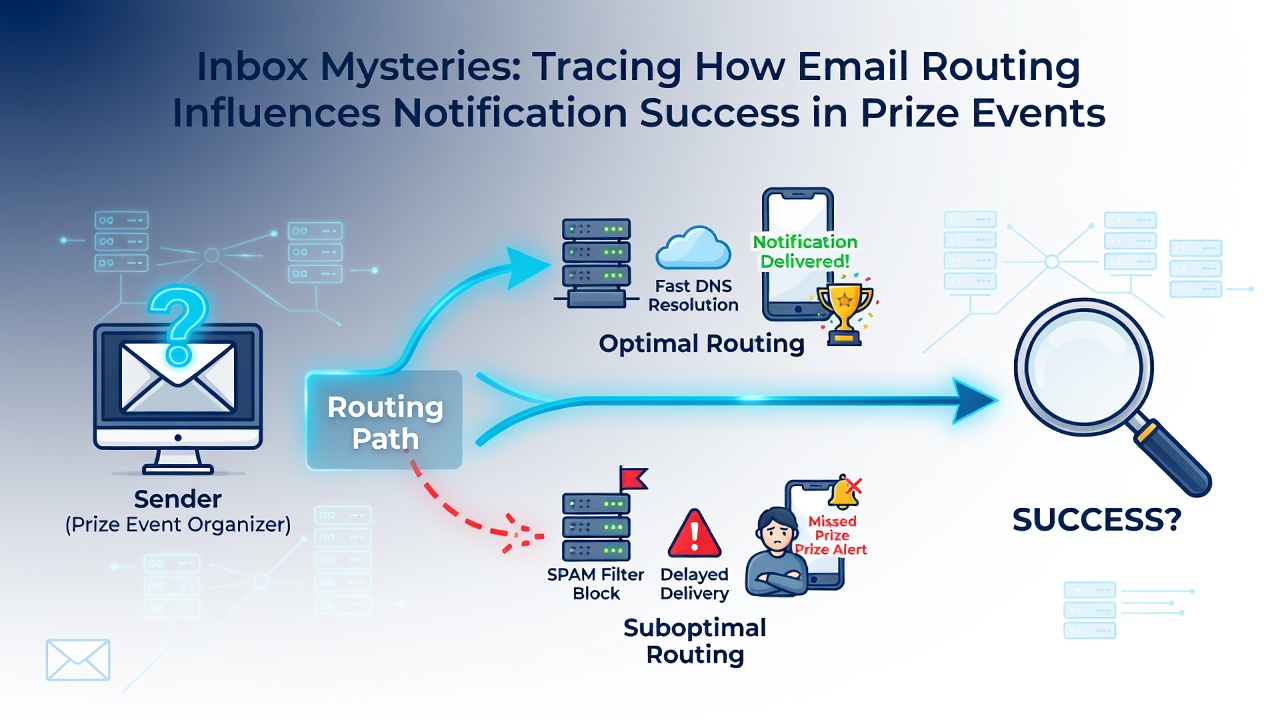
Take the case of one multi-platform reward initiative where organizers adjusted their SMTP relay priorities mid-campaign after observing elevated deferral rates; subsequent logs showed measurable recovery in open metrics within the following weeks. Similar adjustments have appeared in industry reports covering both North American and European operators, where routing refinements aligned with local data protection requirements produced parallel improvements.
Technical Standards and Routing Adjustments
Internet Engineering Task Force specifications guide the implementation of routing controls that balance deliverability with security requirements, allowing organizers to select paths that satisfy both spam prevention goals and timely notification needs. Platforms incorporating real-time reputation monitoring can shift traffic away from problematic gateways before widespread delivery failures occur. Figures released by regulatory bodies in Canada highlight how consistent application of these standards correlates with lower rates of undelivered consumer communications across digital promotions.
Additional variables include time-of-day routing preferences and geographic load balancing, which affect how quickly messages traverse continents and reach end-user servers. Those studying aggregated winner archives note recurring associations between specific relay choices and verification success, suggesting that systematic tracking of routing metadata offers practical insights for future campaigns.
Conclusion
Email routing configurations ultimately determine whether prize notifications reach their destinations intact, shaping participation patterns and claim completion across events. Continued refinement of authentication practices and relay selections remains central to maintaining reliable delivery as network conditions evolve. Observers tracking these systems emphasize the value of ongoing data review to identify effective routing strategies that support consistent notification outcomes.