How Virtual Reality Environments Reshape Submission Behaviors in Immersive Reward Selection Events
Ellis Simmons · Jul 27, 2026
How Virtual Reality Environments Reshape Submission Behaviors in Immersive Reward Selection Events
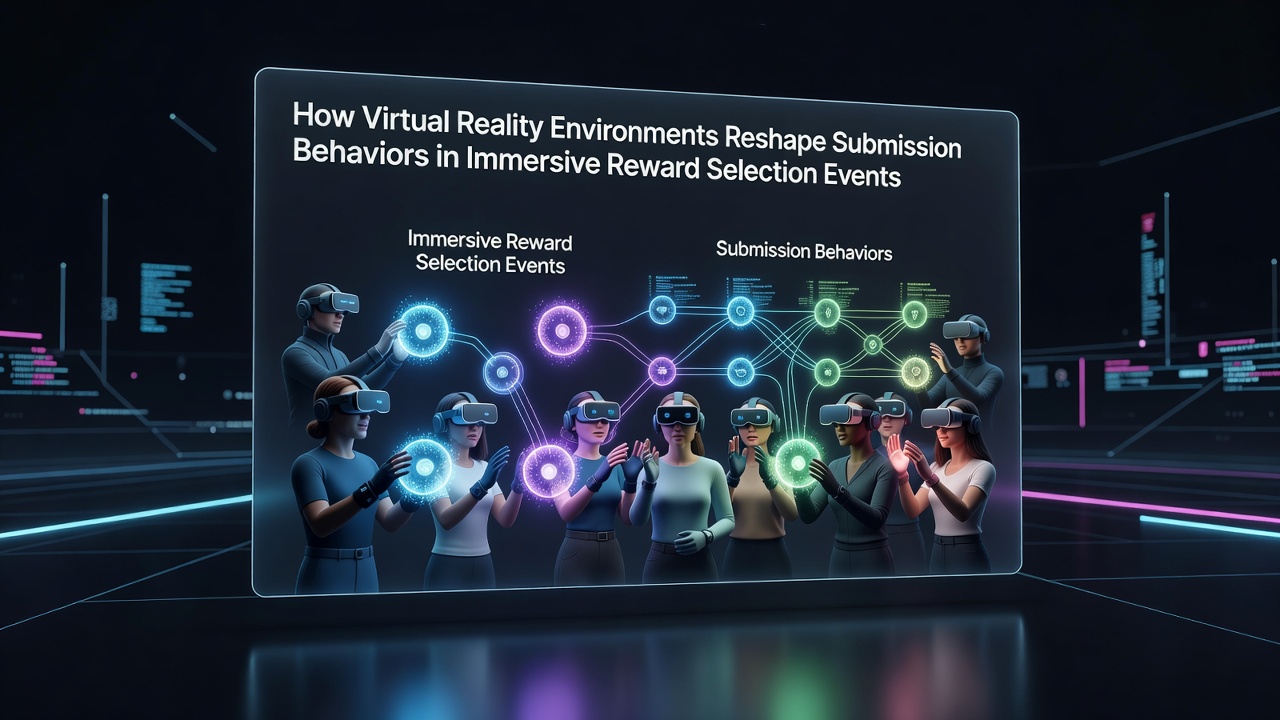
Virtual reality platforms have introduced new layers to reward selection events where participants navigate digital spaces to submit entries for prizes. These environments combine spatial tracking with interactive elements that alter how users approach submission tasks compared to traditional web forms or mobile apps. Data from multiple industry reports shows increased session durations when entrants use VR headsets because the immersive setup encourages repeated interactions within the same virtual arena. Observers note that gesture-based controls replace keyboard inputs in many cases, which leads to different patterns of entry frequency. A participant might complete a series of movements to validate an entry, and this physical component appears to extend the time spent before final submission. Research indicates that platforms integrating VR saw a measurable uptick in multi-entry submissions during pilot programs conducted across North America and Europe in 2025.Changes in Entry Timing and Frequency
Submission logs from VR-enabled contests reveal that users often cluster their actions around peak immersion moments rather than spreading them evenly throughout a session. One study tracking behavior across several reward platforms found that entries submitted after 15 minutes of continuous VR use carried higher completion rates than those made in the first five minutes. This shift occurs because the virtual setting reduces external distractions and focuses attention on the selection process.
Platforms have recorded variations based on time of day, with evening sessions in July 2026 showing longer average dwell times in immersive environments. Participants tended to explore multiple reward options before committing to an entry, which contrasts with quicker decisions observed in non-VR interfaces. Industry analysts attribute this to the spatial navigation tools that allow users to examine prize details from different angles before proceeding.
Interface Elements Driving Behavioral Shifts
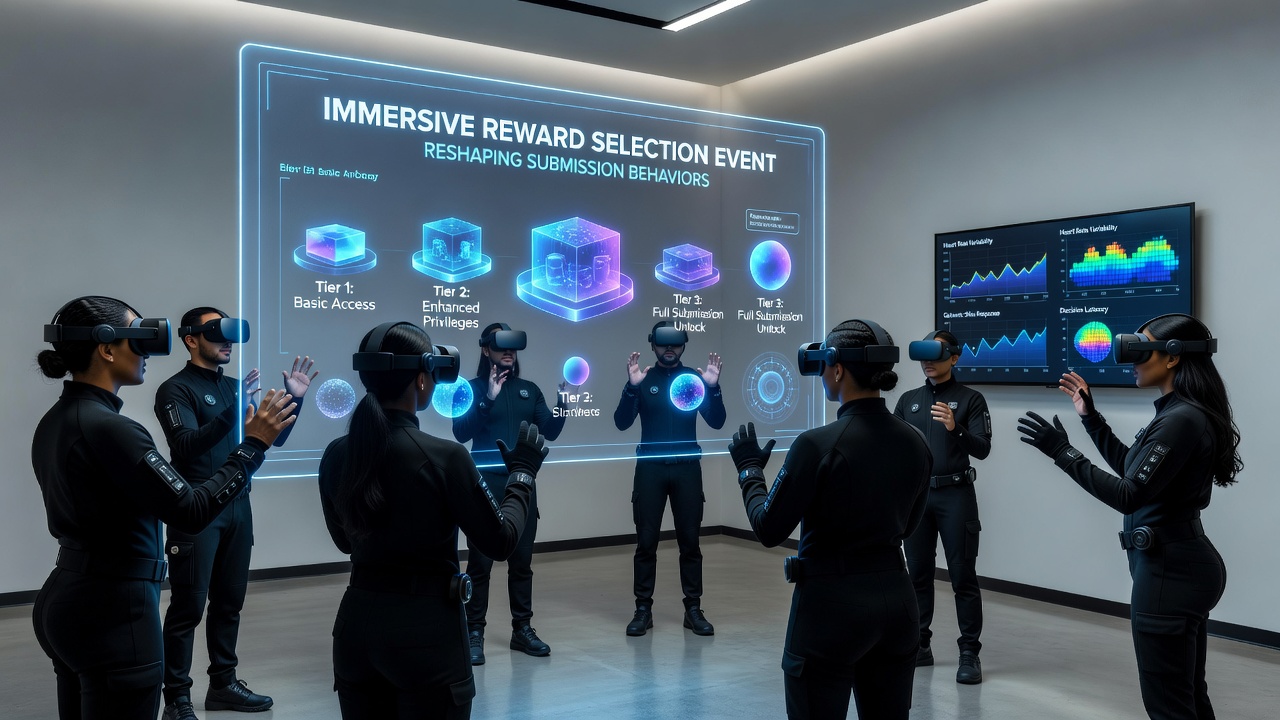
Visual and auditory cues within VR environments guide users toward specific submission pathways. Researchers have documented how floating panels that display entry requirements prompt more deliberate actions, such as confirming details through hand gestures before finalizing. These cues appear more effective than static text on screens because they integrate directly into the user's field of view.
According to findings from the Interactive Games and Entertainment Association, VR reward events in Australia demonstrated a 28 percent rise in verified submissions when spatial audio directed attention to eligibility prompts. Similar patterns emerged in Canadian trials where users interacted with virtual representatives that explained rules in real time. The combination of movement and feedback creates a loop that encourages additional entries within a single session.
Verification Processes in Immersive Settings
Server-side checks adapt to VR data streams by monitoring motion patterns alongside traditional identifiers like account credentials. This approach helps distinguish unique participants even when multiple entries originate from the same headset. Reports from digital reward operators note that duplicate submissions decrease when systems require physical movement sequences that vary per user.
Academic work from the University of Melbourne highlights how eye-tracking integration in VR headsets provides another verification layer. Participants who maintain consistent gaze patterns during reward selection show higher compliance with entry rules. These metrics feed into automated systems that flag anomalies without interrupting the immersive experience.
Geographic and Demographic Patterns
Submission data collected across regions points to differences in VR adoption for reward events. European users showed stronger engagement with collaborative virtual spaces where multiple participants select rewards together, while North American entrants preferred solitary navigation modes. Figures from 2026 indicate that age groups between 25 and 40 completed more entries per session when VR tools allowed customization of the environment itself.
Cross-border events face added complexity because tax reporting requirements vary, yet VR interfaces can embed location-specific prompts that adjust dynamically. Operators have implemented these features to maintain compliance while preserving the flow of the immersive experience.
Conclusion
Virtual reality continues to influence how participants approach submission in reward selection events through altered timing, gesture controls, and integrated verification methods. Ongoing platform developments suggest these behaviors will evolve further as hardware becomes more accessible and data collection refines targeting of entry prompts. Organizations monitoring these trends continue to adjust their systems to match observed patterns in user interaction.