How Packaging Inserts Guide Consumers to Digital Reward Programs
Erik Perry · Jul 25, 2026
How Packaging Inserts Guide Consumers to Digital Reward Programs
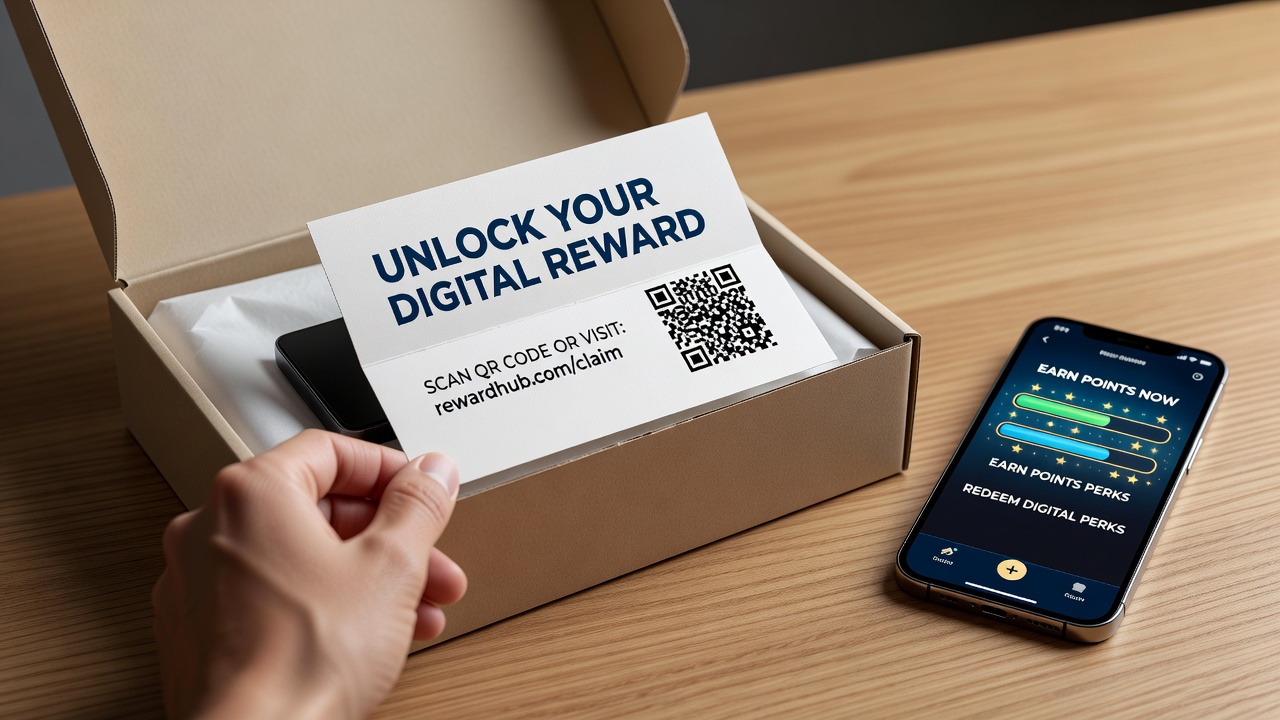
Packaging inserts have long served as direct communication tools between brands and consumers, yet their role has shifted as companies integrate physical products with online platforms that offer points, loyalty credits, and entry mechanisms for reward programs. These inserts typically contain QR codes, unique alphanumeric sequences, or shortened URLs that prompt users to visit dedicated websites or mobile applications where they register purchases and access digital incentives.
Mechanics of Transition from Physical to Digital
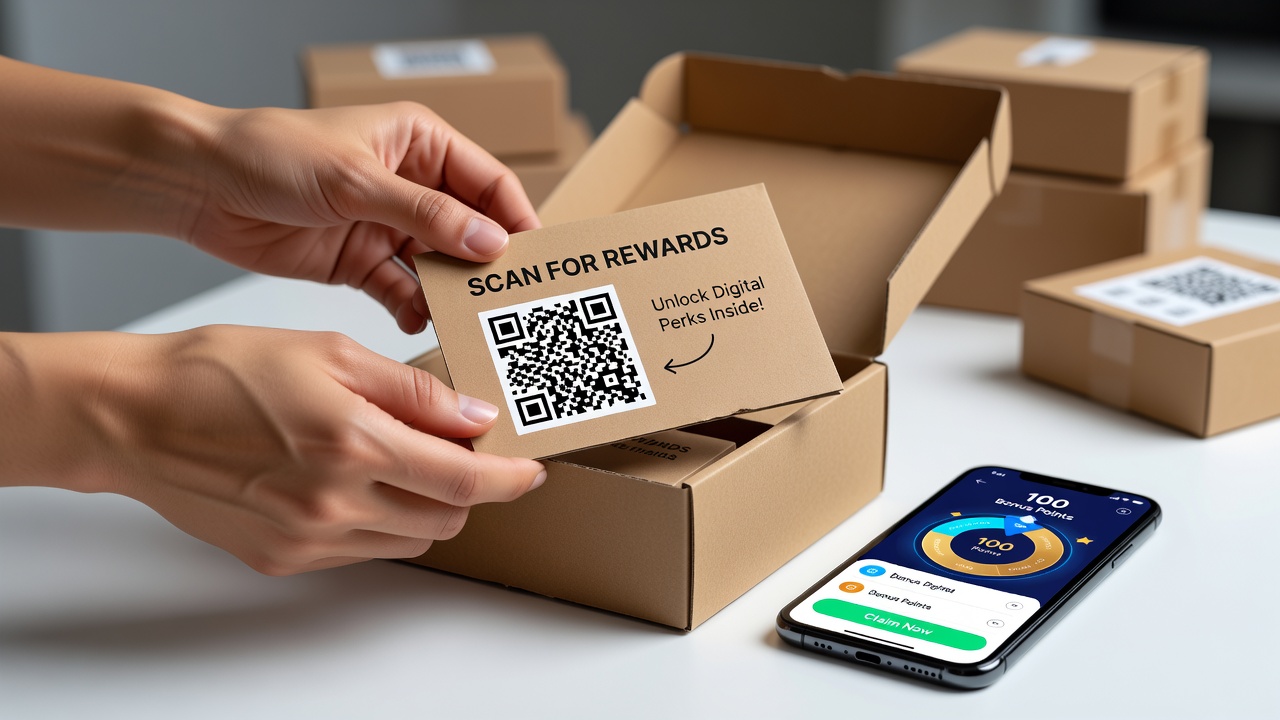
Manufacturers embed scannable codes on cardboard sleeves, paper flyers, or product seals that activate once consumers scan them with smartphones, and the process routes participants to landing pages that require account creation or login to existing loyalty profiles. Data from industry tracking shows that redemption rates increase when inserts include step-by-step instructions alongside the codes, while brands monitor engagement through unique identifiers that link each physical item to an individual digital session. Observers note that this method reduces reliance on mail-in forms and accelerates the collection of consumer contact information for subsequent marketing cycles.
Retailers report that inserts placed near expiration dates on perishable goods or inside electronics boxes achieve higher interaction levels because timing aligns with immediate consumer attention. In July 2026 several major consumer packaged goods companies updated their insert designs to comply with emerging data privacy standards that require clearer disclosure of how scanned information feeds into reward tracking systems.
Consumer Journey and Engagement Patterns
Once redirected online, users encounter dashboards displaying available rewards such as bonus points, digital coupons, or eligibility for tiered programs that unlock additional benefits after multiple verified purchases. Studies from research institutions indicate that the presence of immediate small rewards upon first digital registration encourages repeat visits, and the system logs each scan to prevent duplicate claims across different product batches. People often discover that completing a short profile during the initial visit unlocks higher-value opportunities later, which reinforces continued participation.
Geographic variations appear in how inserts reference local regulations, for instance Australian Competition and Consumer Commission guidelines emphasize transparent terms for digital reward eligibility that differ from North American practices. Brands adjust language on inserts accordingly so that consumers in each region receive instructions tailored to their market's verification requirements.
Industry Data and Tracking Methods
Figures from market analysis firms reveal that digital reward programs linked through packaging inserts experience measurable lifts in app downloads and account activations during promotional windows. According to the Federal Trade Commission, clear disclosure of reward program terms on physical inserts helps maintain compliance when consumers transition to online portals. The same reports show that inserts containing both visual cues and textual explanations generate higher completion rates than those relying solely on codes without context.
Supply chain partners integrate serialization technology that ties each insert to a specific manufacturing lot, allowing companies to trace engagement back to production batches and adjust future distributions based on regional response rates. This feedback loop operates continuously as consumers interact with the digital endpoints.
Conclusion
Packaging inserts function as bridges that convert physical product interactions into sustained digital reward engagement through structured codes and instructions that guide consumers to online platforms. Data tracking, regulatory alignment, and design refinements continue to shape how effectively these tools direct traffic toward loyalty systems and incentive programs across multiple industries.