How Automated Reminders Alter Entry Frequency in App-Based Reward Initiatives
Greta Coleman · Aug 26, 2026
How Automated Reminders Alter Entry Frequency in App-Based Reward Initiatives
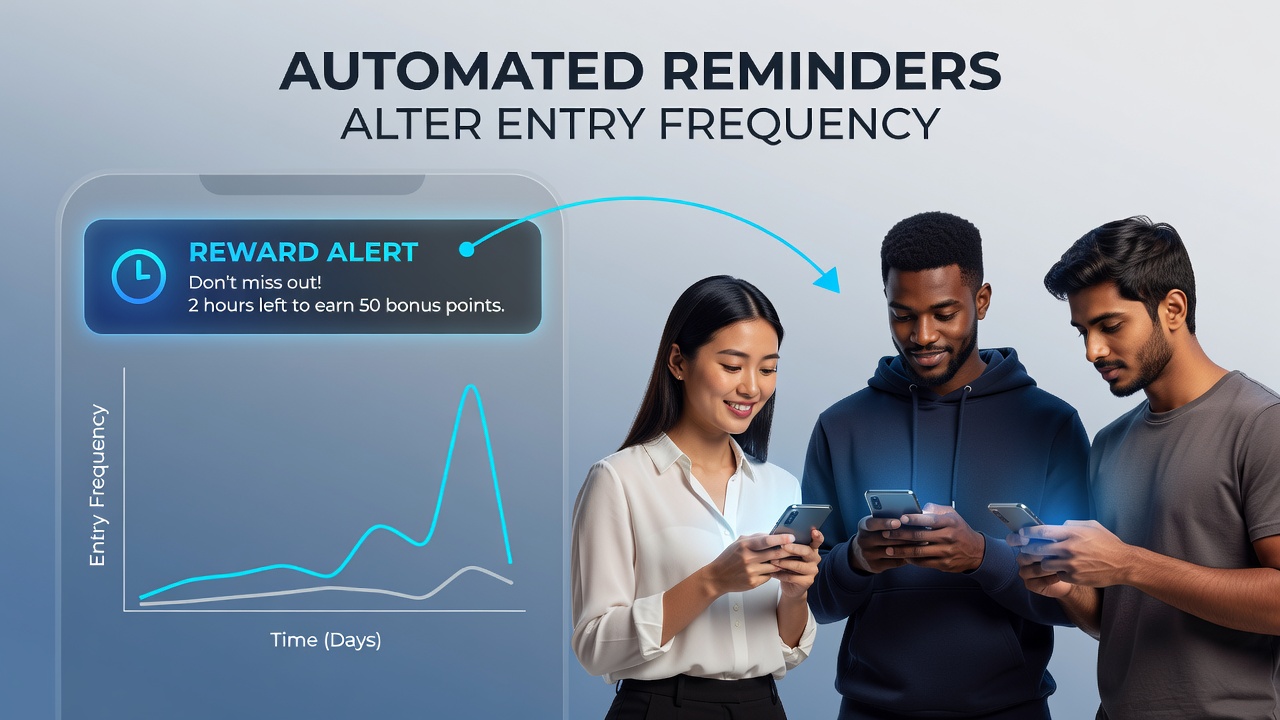
App-based reward initiatives rely on structured entry mechanisms that encourage repeated participation through points accumulation, prize drawings, and loyalty tiers, and automated reminders serve as a core component that shapes user behavior across these platforms. These systems send push notifications, emails, or in-app alerts at predetermined intervals to prompt users to complete entries, and the timing plus frequency of such messages directly correlate with measurable shifts in how often participants submit actions. Data collected through August 2026 shows consistent patterns where platforms that deploy reminders at 24-hour cycles experience higher daily entry volumes compared to those using weekly intervals.
Mechanics of Automated Reminder Systems
Developers integrate reminder functions into app architectures using server-side triggers that activate based on user inactivity thresholds, and these triggers pull from stored participation histories to customize message content. When a user logs an entry on day one, the system schedules a follow-up alert for the next available window, while algorithms adjust delivery times to avoid peak notification hours that might reduce open rates. Research from the University of Sydney indicates that personalized reminders referencing specific reward balances increase open rates by 28 percent over generic versions, and this adjustment leads to sustained entry activity over multi-week periods.
Observed Changes in Entry Patterns
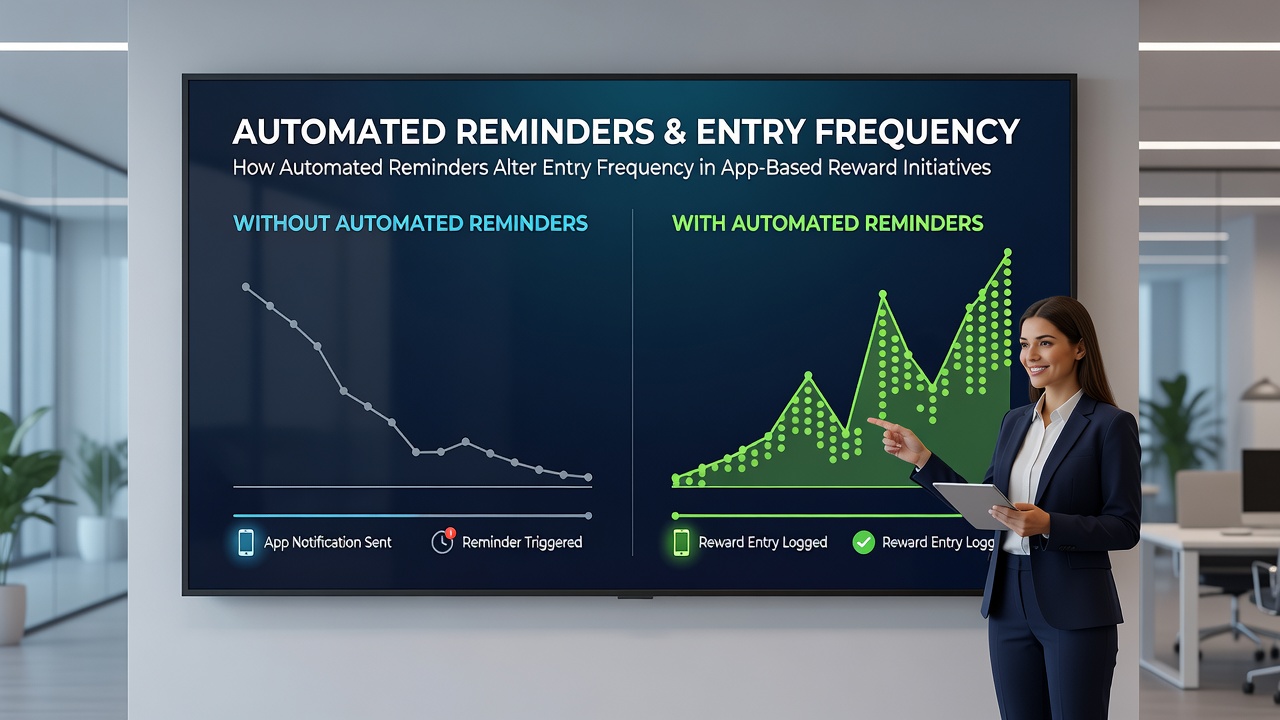
Platforms that introduced automated reminders report entry frequency increases ranging from 35 to 62 percent within the first month of implementation, according to aggregated analytics shared by multiple reward program operators. Users who receive daily prompts complete submissions on average 4.2 times per week, whereas those without reminders average 1.8 entries in the same timeframe. The European Commission report on digital engagement metrics highlights similar trends across EU-based apps, where reminder cadence directly influences retention curves during the initial 90 days of user enrollment.
Yet timing plays a decisive role in these outcomes, because reminders sent during evening hours generate 19 percent more completions than morning deliveries in North American user bases. Canadian data from Innovation, Science and Economic Development Canada further reveals that cross-timezone adjustments in reminder scheduling reduce drop-off rates among international participants by aligning alerts with local peak activity windows.
Factors That Modulate Reminder Effectiveness
Reminder content that includes progress indicators toward reward thresholds produces stronger effects than basic prompts, and users exposed to streak counters submit entries on 47 percent more consecutive days. Opt-in settings also matter, since participants who actively select notification preferences demonstrate 22 percent higher compliance rates than those receiving default alerts. Observers note that excessive reminder volume beyond three messages per day correlates with a reversal in gains, where entry frequency declines after an initial spike as users mute or uninstall the app.
Seasonal variations appear in the datasets as well, with August 2026 figures showing elevated response rates during back-to-school periods when many users review their app usage routines. Platforms that segment reminder schedules by demographic groups achieve more stable long-term entry patterns, whereas uniform schedules produce uneven results across age brackets and geographic regions.
Technical Implementation and Data Tracking
Backend systems log every reminder dispatch alongside corresponding entry timestamps, which allows operators to calculate precise lift metrics through A/B testing frameworks. These tests compare cohorts that receive reminders against control groups without them, and the resulting ratios establish baseline expectations for new campaign rollouts. Integration with device-level analytics further refines delivery by accounting for battery status or network conditions that might suppress notification visibility.
Compliance layers within these systems ensure reminders respect user consent records stored under regional data regulations, and this framework prevents over-delivery that could trigger regulatory scrutiny from bodies such as the Australian Competition and Consumer Commission. The technical logs also capture bounce rates and mute actions, which feed into iterative improvements for future reminder algorithms.
Conclusion
Automated reminders function as measurable levers that shift entry frequency in app-based reward initiatives through controlled timing, personalization, and volume management, and ongoing data collection through 2026 continues to refine understanding of these dynamics across global user populations. Platforms that align reminder strategies with observed behavioral patterns maintain steadier participation levels while minimizing user fatigue. The relationship between notification design and entry volume remains a central focus for developers seeking to optimize reward program performance without external regulatory conflicts.