Following the Money Trail: How Transaction Methods Shape Outcomes in Worldwide Prize Distributions
Ellis Simmons · Jun 15, 2026
Following the Money Trail: How Transaction Methods Shape Outcomes in Worldwide Prize Distributions
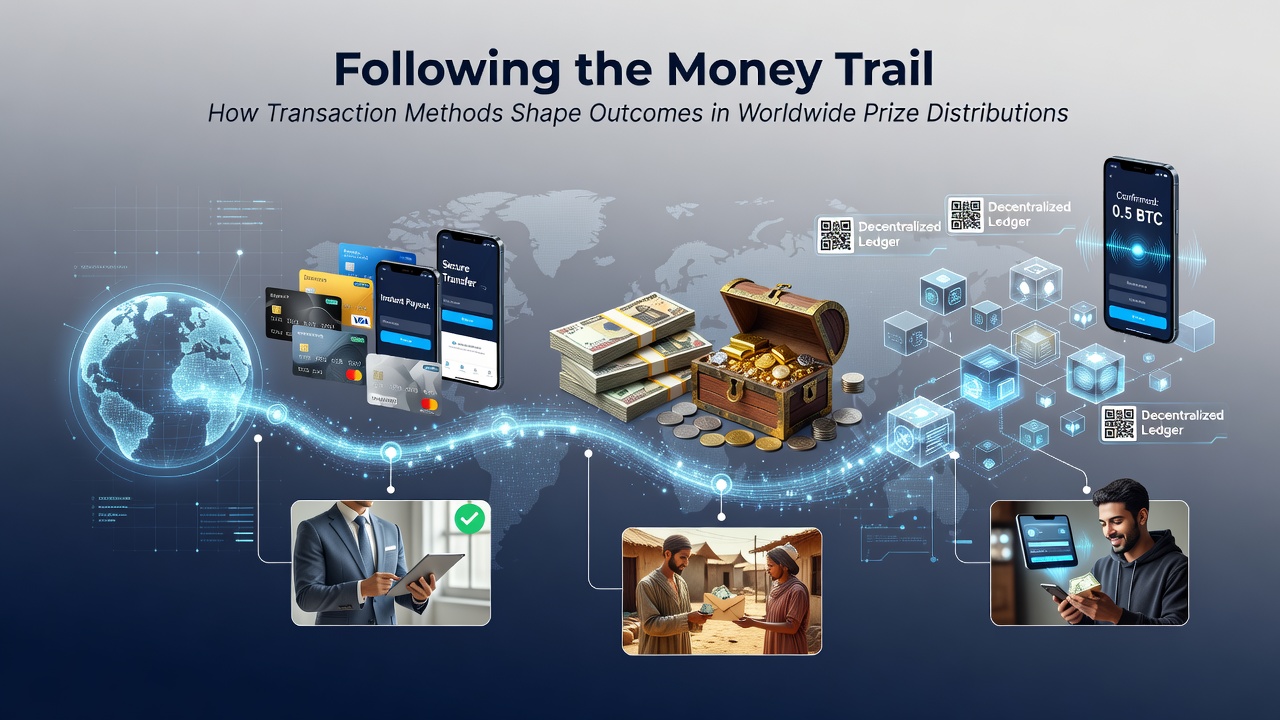
Transaction methods determine far more than simple fund movement in worldwide prize distributions because they influence eligibility verification, tax compliance, delivery timelines, and participant access across borders. Researchers examining global reward programs note that organizers select payment channels based on regulatory requirements in each jurisdiction, and those choices directly affect which winners receive prizes promptly versus those who encounter delays or additional documentation demands.
Core Transaction Channels and Their Reach
Bank wire transfers through systems like SWIFT remain standard for large international prizes, yet they trigger mandatory reporting in multiple countries when amounts exceed set thresholds. Data from financial oversight bodies shows that recipients in regions with strict anti-money laundering rules must often provide extra identification before funds clear, which extends processing from days to weeks. In contrast, digital wallet services such as PayPal or regional equivalents allow faster transfers in supported markets while restricting access in others where local banking partnerships do not exist.
Cryptocurrency options have appeared in some prize programs since 2024, particularly for events targeting tech-savvy audiences, and they bypass traditional banking rails in places with limited financial infrastructure. Observers tracking these distributions report that blockchain-based transfers reduce intermediary fees in certain corridors, although volatility in exchange rates can alter the final value a winner receives by the time conversion occurs.
Regulatory Layers That Guide Method Selection
Tax authorities worldwide require organizers to withhold portions of prizes or collect forms before disbursement, and the chosen transaction method determines how easily these obligations get met. The Internal Revenue Service in the United States mandates Form W-8BEN for non-resident winners, while similar documentation rules apply under directives from the European Commission and the Australian Taxation Office. Programs that rely on automated clearing house transfers integrate these checks more seamlessly in North American markets, whereas cross-border wire services demand manual review steps that slow distribution in June 2026 when updated reporting standards take effect in several member states.
Those who study international compliance patterns find that credit card payouts, though convenient for smaller awards, encounter blocks in jurisdictions where gambling or lottery winnings face specific merchant category code restrictions. This forces organizers to switch to alternative rails mid-campaign, which alters participant pools by favoring entrants already comfortable with the new method.
Impact on Delivery Speed and Participant Outcomes
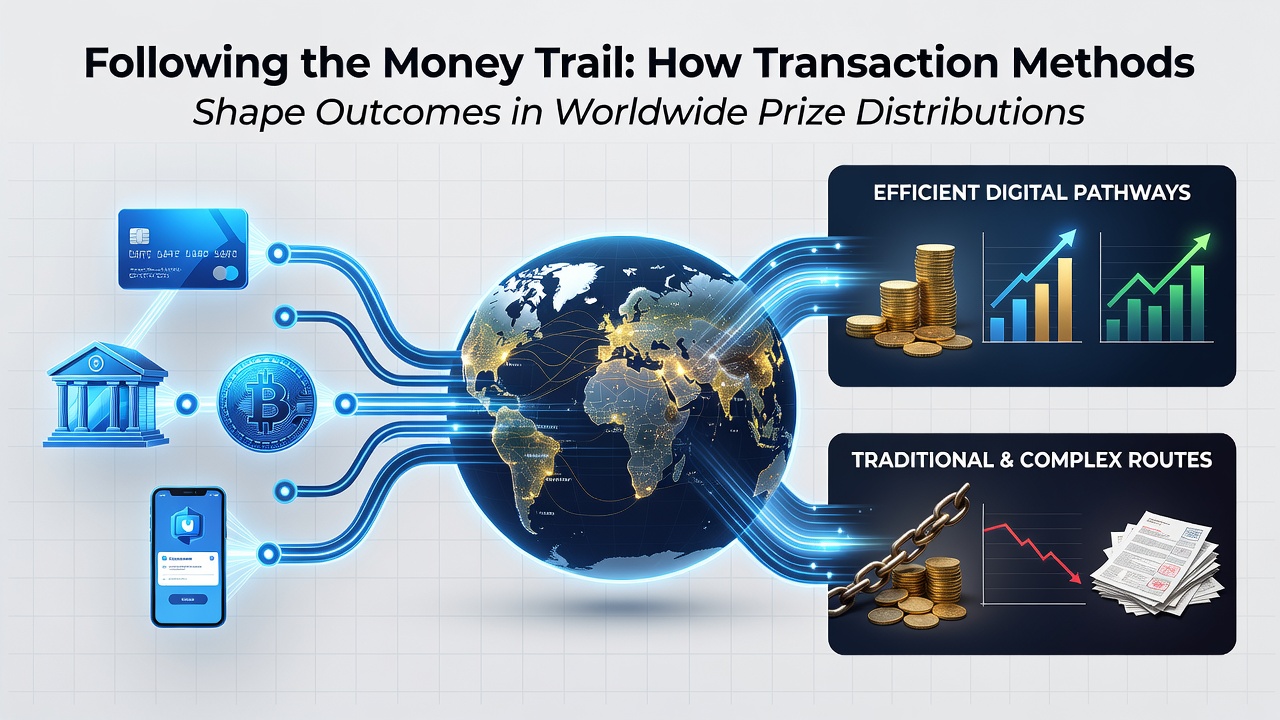
Processing times vary sharply by method, and studies of recurring global events reveal consistent patterns. Traditional checks mailed internationally often take four to six weeks, during which currency fluctuations or address verification issues can arise. Electronic funds transfers complete in one to three business days once compliance clears, yet they require recipients to maintain accounts in approved banks, excluding populations in countries without correspondent relationships.
Experts analyzing aggregated winner data note that programs offering multiple payout choices record higher completion rates because participants select the option matching their local banking setup. One case involving a multinational technology firm showed a 22 percent increase in verified redemptions after adding e-wallet support for Southeast Asian winners who previously faced wire rejection rates above 30 percent.
Accessibility Across Regions and Demographics
Transaction infrastructure gaps shape who can realistically claim prizes in emerging markets. Mobile money platforms popular in parts of Africa and South Asia enable direct deposits without traditional bank accounts, yet these systems rarely integrate with Western sweepstakes platforms. Organizers therefore limit entry from those areas or partner with local processors, which adds cost layers passed along through reduced prize pools or narrower eligibility windows.
Research indicates that younger participants gravitate toward instant digital options while older demographics prefer established bank routes, and campaigns that ignore these preferences see measurable drops in engagement from specific age cohorts. Currency conversion fees embedded in certain methods further reduce net amounts received, prompting some programs to publish total cost breakdowns so entrants understand the financial realities before participating.
Future Adjustments in Payment Infrastructure
By June 2026 several central banks plan expanded real-time payment networks that could shorten cross-border settlement for prize distributions. Pilot programs already underway in parts of Europe and Asia demonstrate reduced reconciliation times, which may allow organizers to release funds within hours rather than days once verification completes. These developments depend on continued alignment between transaction providers and national regulators, and current figures show adoption rates climbing steadily in tested corridors.
Conclusion
Transaction methods function as gatekeepers in worldwide prize distributions by determining speed, compliance burden, and geographic reach. Evidence from regulatory filings and program audits confirms that choices made at the organizational level directly influence which participants complete the process and receive awards. As infrastructure evolves, the range of viable options continues to expand, yet disparities rooted in local banking access and documentation requirements persist across regions.