Encryption's Quiet Role in Shaping Entry Habits for Virtual Prize Contests
Erik Perry · May 30, 2026
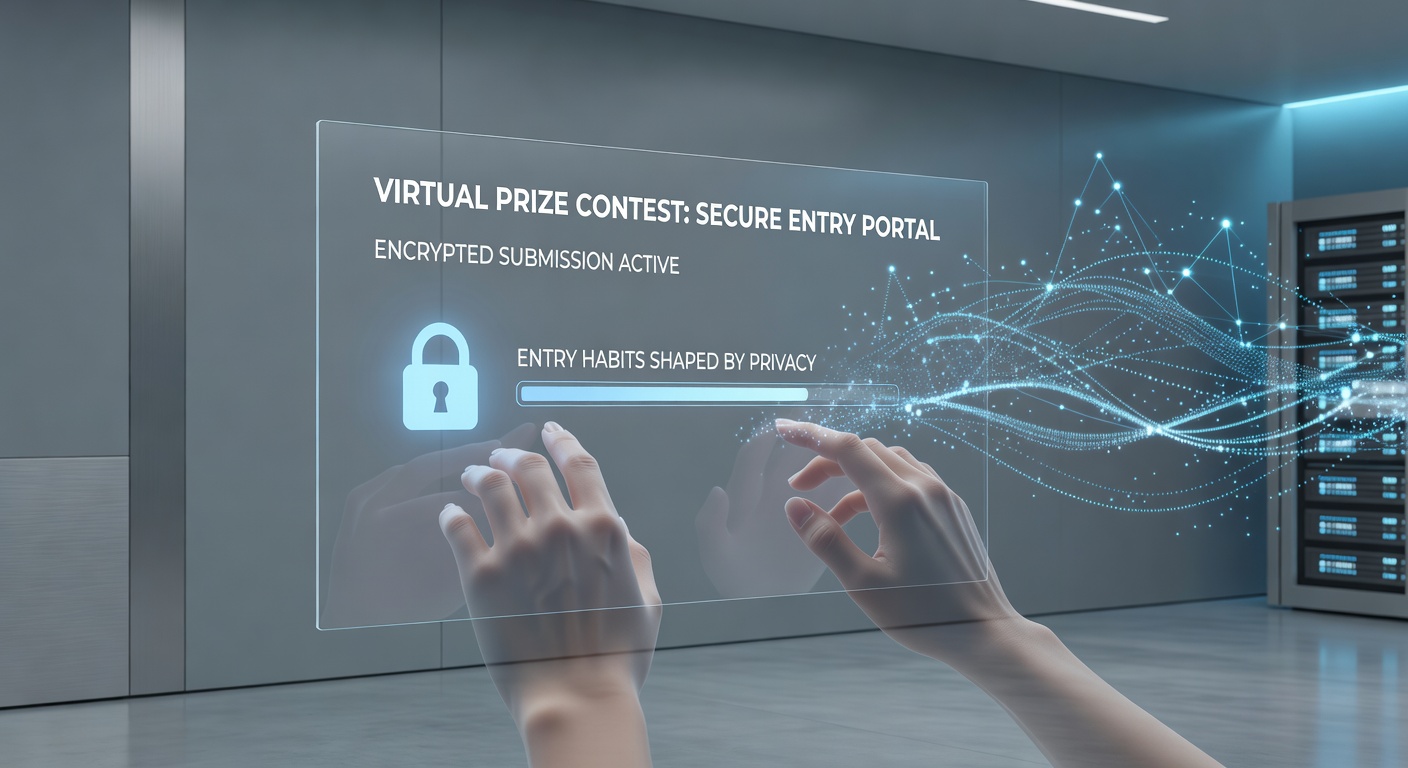
Encryption's Quiet Role in Shaping Entry Habits for Virtual Prize Contests
Virtual prize contests rely on digital platforms where encryption protocols safeguard participant information during submission processes, and these measures quietly guide how individuals approach online entries. Data transmission occurs through secure channels that prevent unauthorized access, which encourages consistent participation patterns among users who prioritize privacy protections.
Foundational Mechanisms Behind Secure Contest Platforms
Encryption standards such as TLS 1.3 and AES-256 create barriers against interception, and contest operators implement these to comply with broader data security requirements. Observers note that entry forms protected by such layers reduce hesitation among participants who might otherwise abandon submissions midway through the process. Research from institutions tracking digital behaviors shows higher completion rates on sites that display visible security indicators like padlock symbols in browser addresses.
Those managing recurring contests often integrate end-to-end encryption for stored entries, which protects details ranging from email addresses to demographic data. This approach aligns with frameworks established by organizations including the National Institute of Standards and Technology, whose guidelines influence platform design across multiple regions. Participants form habits around verifying these indicators before proceeding, a pattern documented in usage analytics from large-scale giveaway networks.
Influence on Daily Entry Routines and User Trust Signals
People who enter multiple contests throughout the week tend to favor platforms where encryption appears seamless rather than intrusive, and this preference shapes selection of which promotions receive attention. Secure sockets layer connections transmit form data without exposing it to third parties, which fosters repeated visits to the same trusted domains over time. Studies tracking contest engagement reveal that sessions initiated on encrypted sites last longer on average, allowing users to complete additional steps such as social media shares or referral actions.
What's interesting is how mobile participants adapt their habits when encryption authentication occurs automatically through app-based systems, eliminating manual checks that once slowed entry flows. In regions following updated digital privacy directives, platforms must maintain these protections to avoid penalties, and this regulatory pressure indirectly standardizes entry experiences. Figures from industry reports indicate that contest sites adopting advanced key management see measurable upticks in daily submissions compared to those relying on outdated methods.
Regulatory Developments and Their Reach into Contest Operations
By May 2026, several jurisdictions plan phased implementations of enhanced encryption mandates for consumer data handling, which will extend to virtual prize events collecting personal identifiers. These changes build on existing rules from bodies like the European Data Protection Board and similar entities in Canada and Australia, creating uniform expectations for how entries get processed and retained. Contest administrators adjust backend systems accordingly, resulting in entry interfaces that prompt users for consent at multiple encryption-protected stages.
One study revealed that platforms updating their security postures ahead of these deadlines experienced steadier participation curves rather than fluctuations tied to public security incidents. Observers note connections between visible compliance badges and the willingness of users to submit entries across borders, especially when international tax or residency rules already complicate eligibility. Data indicates that encryption serves as a baseline filter, sorting out casual entrants from those committed enough to navigate layered verification.

Patterns Observed in Aggregated Participation Metrics
Analytics platforms monitoring contest traffic document shifts where encrypted portals attract repeat visitors who develop routines around specific times of day for submissions. This behavior emerges because users associate strong security with reduced risk of data exposure during high-volume entry periods. Researchers tracking these metrics across global networks find correlations between encryption strength ratings and the diversity of participant demographics, as broader age groups feel more comfortable engaging when protections appear robust.
Take one analysis of giveaway archives that highlighted how sites with mandatory HTTPS redirects maintained steadier entry volumes during periods of heightened online threats. Those patterns suggest encryption quietly channels habits toward verified domains while discouraging scattered attempts across unsecure alternatives. Industry organizations such as the Online Trust Alliance have compiled reports showing similar trends in reward-based digital events, underscoring the role of technical safeguards in sustaining long-term engagement.
Future Trajectories for Security Integration
Emerging quantum-resistant encryption methods stand poised to influence contest platforms as computational capabilities advance, and early adopters already test these in controlled entry environments. Participants may gradually incorporate new verification steps into their routines without noticing the underlying protocol upgrades. Evidence suggests that seamless transitions between security layers preserve entry momentum better than abrupt changes that require re-authentication.
Conclusion
Encryption continues to underpin entry behaviors in virtual prize contests through its effects on trust, compliance, and platform reliability. Data from multiple monitoring sources shows consistent links between security implementations and participation stability, while upcoming regulatory milestones around May 2026 will likely reinforce these dynamics across additional markets. Observers tracking the space note that these technical foundations shape how individuals interact with contests without drawing direct attention to themselves.