Decoding Email Spam Folder Dynamics in Relation to Contest Notification Delivery and Response Rates
Erik Perry · Jun 27, 2026
Decoding Email Spam Folder Dynamics in Relation to Contest Notification Delivery and Response Rates
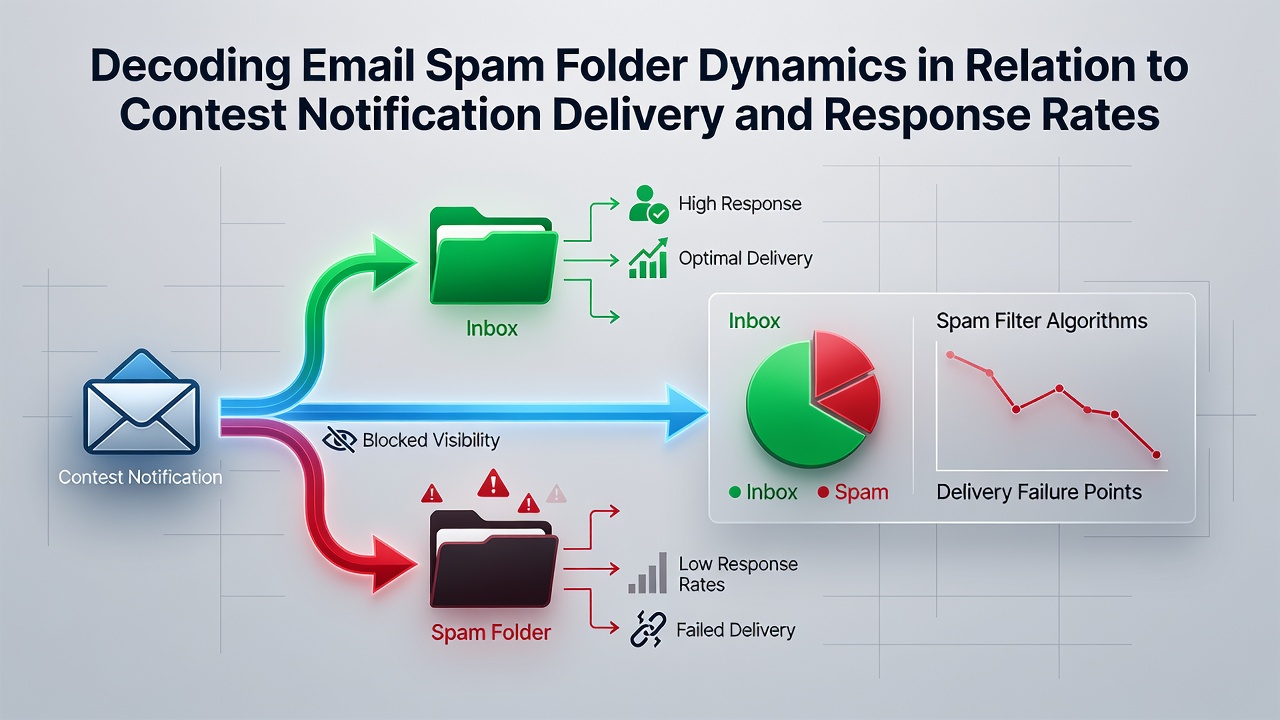
Contest notifications travel through complex email systems where spam filters examine sender reputation, content patterns, and engagement signals before deciding delivery paths, and these decisions directly shape whether recipients see prize alerts or miss them entirely. Observers note that high-volume sends from giveaway platforms often trigger volume-based checks, while phrases common in contest messages such as free entry reminders or winner announcements activate content scoring rules that push messages toward spam folders rather than primary inboxes.
Spam Filter Mechanics and Contest Email Triggers
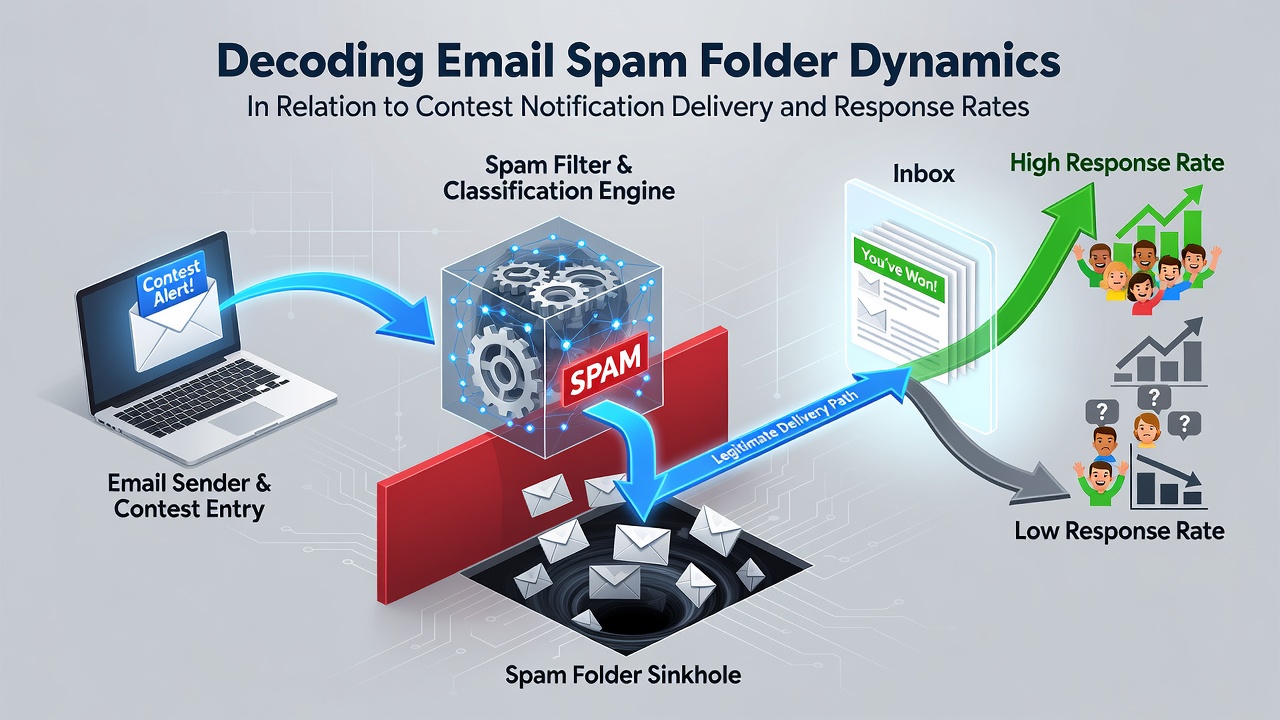
Modern filters combine machine learning models with rule-based systems to evaluate incoming messages, and contest-related emails frequently encounter issues because they share traits with promotional campaigns that have historically shown high complaint rates. Data from email service providers indicates that subject lines containing urgency words or repeated prize references accumulate negative scores over time, whereas messages sent from domains with inconsistent authentication records face additional blocks. Researchers at institutions tracking global email traffic have documented how IP reputation shifts occur when large batches of contest notifications go out simultaneously, creating temporary delivery drops that last until senders adjust volume or warm up new servers.
Authentication protocols like SPF, DKIM, and DMARC play a central role in these processes, and organizations running recurring giveaways must maintain alignment across these standards or risk automatic routing to spam. Figures from industry reports reveal that domains failing DMARC alignment experience up to 40 percent higher spam folder placement during peak entry periods, and this pattern holds across both domestic and cross-border campaigns. Those who monitor these systems note that feedback loops from major mailbox providers supply data back to senders, allowing gradual reputation recovery when complaint volumes decrease.
Delivery Patterns Observed Through Mid-2026
As of June 2026, tracking studies show seasonal spikes in spam folder placement for contest notifications around major entry deadlines, and these align with increased overall email traffic that strains filter thresholds. Providers adjust algorithms regularly, which means messages that cleared filters in prior months sometimes land in spam after updates that emphasize behavioral signals such as low open rates from previous sends. Evidence suggests that notifications sent during off-peak hours encounter fewer blocks because volume-based detection systems treat them as less suspicious compared with bulk daytime distributions.
International campaigns face additional layers because regulations differ by region, and compliance with frameworks such as the CAN-SPAM Act in the United States or similar rules enforced by the Australian Communications and Media Authority influences whether foreign mailbox providers accept the traffic. One analysis of aggregated delivery data found that messages lacking clear unsubscribe mechanisms triggered higher spam scores regardless of content relevance, while properly formatted footers correlated with improved inbox placement across tested domains.
Response Rate Correlations and Notification Timing
Response rates for contest notifications drop sharply when messages reach spam folders instead of primary inboxes, and this effect compounds when recipients do not check those folders regularly. Studies tracking click-through metrics indicate that inbox delivery produces response rates several times higher than spam folder placement, because users interact with primary messages within hours while spam-trapped alerts often remain unopened for days or longer. Observers tracking giveaway platforms report that follow-up sequences sent through alternative channels sometimes recover engagement when initial email delivery fails, yet overall participation still suffers from the initial missed notification.
Timing interacts with filter behavior because messages arriving when users actively check email benefit from higher immediate engagement, which in turn signals positive reputation back to providers. Data shows that notifications sent within specific windows after entry confirmation achieve better open rates, whereas delayed sends allow filters to apply stricter scrutiny based on elapsed time since the triggering action. Those studying these dynamics note that A/B testing of send times helps identify optimal windows, though results vary by audience segment and mailbox provider.
Technical Factors Influencing Folder Placement
Sender domain age and sending consistency affect how filters score contest notifications, and newer domains launching high-volume campaigns encounter steeper challenges than established ones with steady histories. Content elements such as image-to-text ratios and link structures also factor into scoring, and campaigns using many embedded graphics without sufficient surrounding text sometimes accumulate penalties. According to findings from deliverability research groups, maintaining clean suppression lists that remove previously bounced or complained addresses reduces future spam likelihood by limiting negative signals reaching the filters.
Mailbox provider differences create additional variability because each applies unique weighting to the same signals, and what clears Gmail may still reach spam at other services. Participants in global reward events therefore encounter inconsistent delivery depending on which provider hosts their primary address, and organizers respond by segmenting lists according to known provider behaviors. Evidence from platform audits indicates that proactive monitoring of bounce and complaint metrics allows teams to pause or adjust campaigns before widespread spam folder routing occurs.
Conclusion
Understanding spam folder dynamics requires attention to authentication, content patterns, volume management, and provider-specific rules that collectively determine whether contest notifications reach intended recipients. Data collected through 2026 continues to highlight correlations between delivery location and subsequent response rates, showing that inbox placement remains essential for maintaining engagement in digital giveaway programs. Organizations that track these factors and adapt sending practices accordingly see measurable differences in how effectively their notifications perform across varied mailbox environments.