Deciphering How Browser Fingerprinting Protocols Shape Repeat Participation Patterns in Virtual Reward Drawings
Ulrich Long · Aug 3, 2026
Deciphering How Browser Fingerprinting Protocols Shape Repeat Participation Patterns in Virtual Reward Drawings
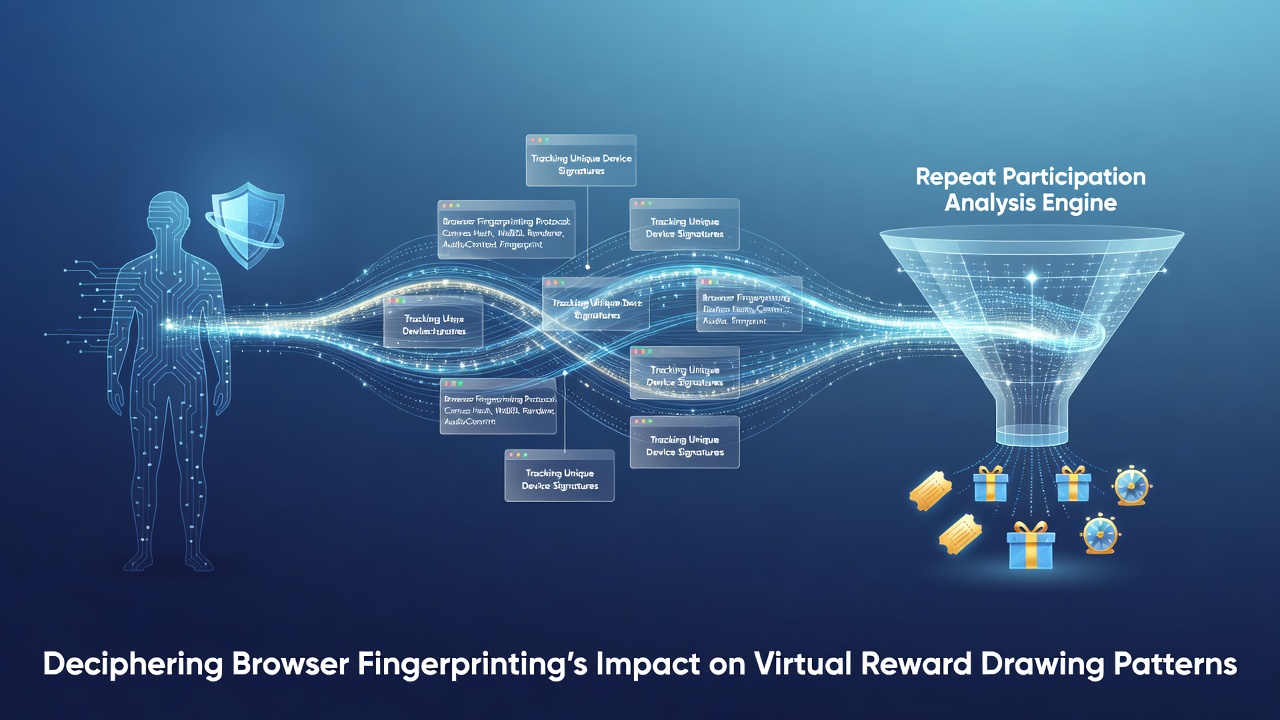
Browser fingerprinting protocols collect device and browser attributes such as canvas rendering, font lists, screen resolution, and WebGL data to create unique identifiers for users without relying on cookies or login credentials. Researchers at academic institutions have documented how these methods operate across multiple platforms, and data from industry reports show their adoption in virtual reward programs to enforce entry limits. Participants who return frequently often encounter systems that flag repeat submissions through these identifiers, which alters how individuals manage their engagement over time.
Core Mechanisms Behind Fingerprinting in Reward Platforms
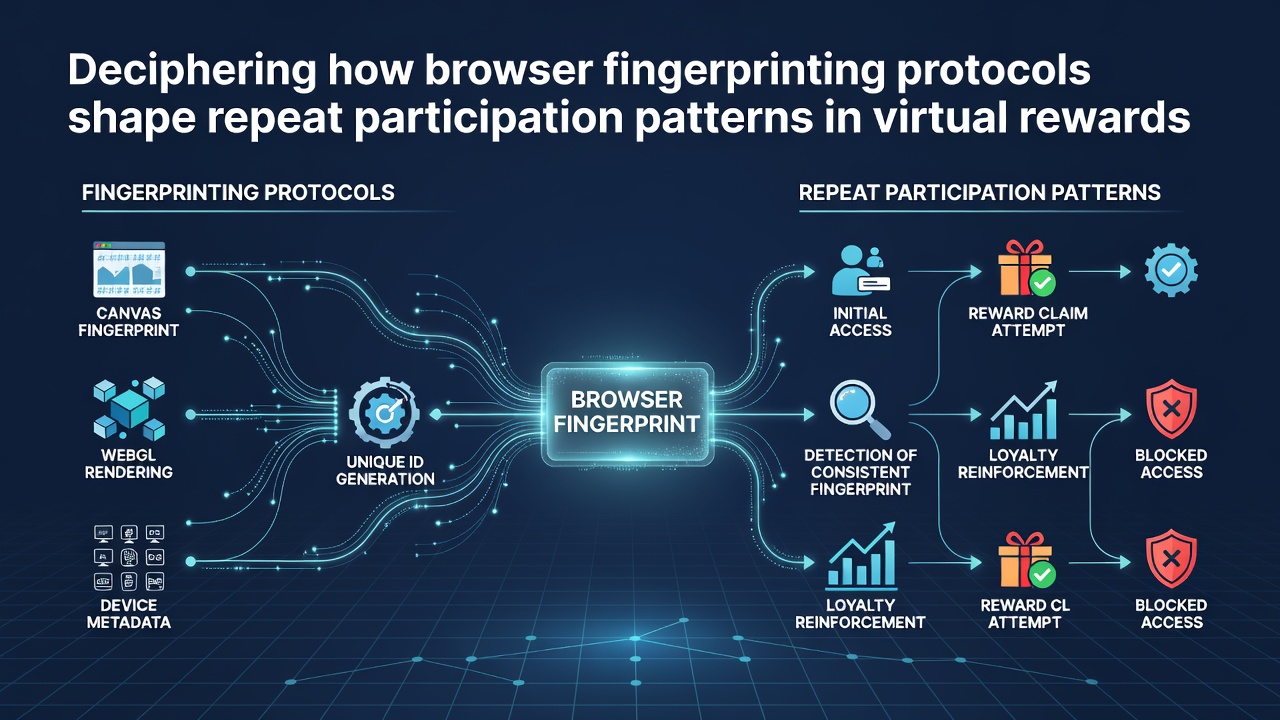
Virtual reward drawings rely on server-side checks that combine multiple signals to verify participant uniqueness, and fingerprinting adds layers beyond IP addresses or email verification. Studies from technology research groups indicate that canvas fingerprinting alone distinguishes devices with over 99 percent accuracy in controlled tests, while combined attributes raise that figure further. Organizers implement these protocols to comply with rules that restrict entries to one per person per period, and figures from platform audits reveal fewer duplicate attempts when fingerprinting runs continuously. Those who study participation logs note that users adapt by switching browsers or clearing certain caches, yet the core signals persist across sessions in many cases.
Observed Shifts in Repeat Entry Behaviors
Repeat participants adjust their habits once fingerprinting detects patterns such as consistent hardware profiles or plugin configurations. Data collected during peak contest seasons shows increased use of virtual machines or secondary devices among frequent entrants, while single-session submissions decline on primary machines. According to analyses published by privacy research centers, the introduction of advanced fingerprinting correlates with a measurable drop in same-device returns within the first month of deployment. People often find that rotating user agents or disabling JavaScript features temporarily bypasses basic checks, yet updated protocols counter these tactics by weighting stable attributes more heavily.
Technical Evolution and Platform Responses
Platforms update fingerprinting algorithms periodically to address evasion methods, and reports from cybersecurity firms document version changes that incorporate audio context and timing-based measurements. In August 2026, several major reward programs rolled out enhanced protocols that integrate machine learning models trained on historical entry data, resulting in higher detection rates for scripted or automated submissions. Observers note that these updates coincide with rising volumes of mobile participation, where screen orientation and sensor data provide additional distinguishing factors. Participants who maintain consistent profiles across multiple contests experience stricter limits, whereas those who vary their setups see extended eligibility windows on new configurations.
Regulatory Context and Data Handling Practices
Privacy regulations in multiple regions require disclosure of tracking methods used for entry verification, and agencies such as the Federal Trade Commission have issued guidance on transparent data collection in promotional activities. European data protection authorities emphasize consent mechanisms for fingerprinting under existing frameworks, while Canadian regulatory bodies monitor similar practices through competition and privacy statutes. Industry reports from organizations focused on digital advertising standards highlight that reward platforms store fingerprint hashes rather than raw attributes to reduce exposure risks. Those who review compliance filings observe that programs operating across borders adjust fingerprint retention periods to align with the strictest applicable rules in each market.
Patterns Across Different Contest Formats
Daily reward events show sharper drops in repeat submissions after fingerprinting strengthens, whereas weekly or monthly drawings allow more variation because the time between entries permits natural device changes. Research from university-led surveys on online contest behavior indicates that participants in high-frequency formats adopt browser extensions designed to randomize certain signals, although platforms counter this with consistency scoring. Evidence from aggregated entry logs demonstrates that geographic regions with higher mobile penetration experience different adaptation rates, as smartphone browsers expose fewer modifiable attributes than desktop environments. Organizers track these regional differences to calibrate verification thresholds accordingly.
Conclusion
Browser fingerprinting protocols continue to refine how virtual reward drawings manage repeat participation by creating persistent yet non-intrusive identifiers. Data from platform implementations and academic examinations show measurable effects on entry frequency and device-switching behaviors. As updates in 2026 and beyond incorporate additional signals, the interplay between verification systems and participant strategies will likely produce further observable shifts in submission patterns across global programs.