Charting the Evolution of Entry Verification Protocols in Response to Emerging Digital Fraud Techniques
Ulrich Long · Jun 13, 2026
Charting the Evolution of Entry Verification Protocols in Response to Emerging Digital Fraud Techniques
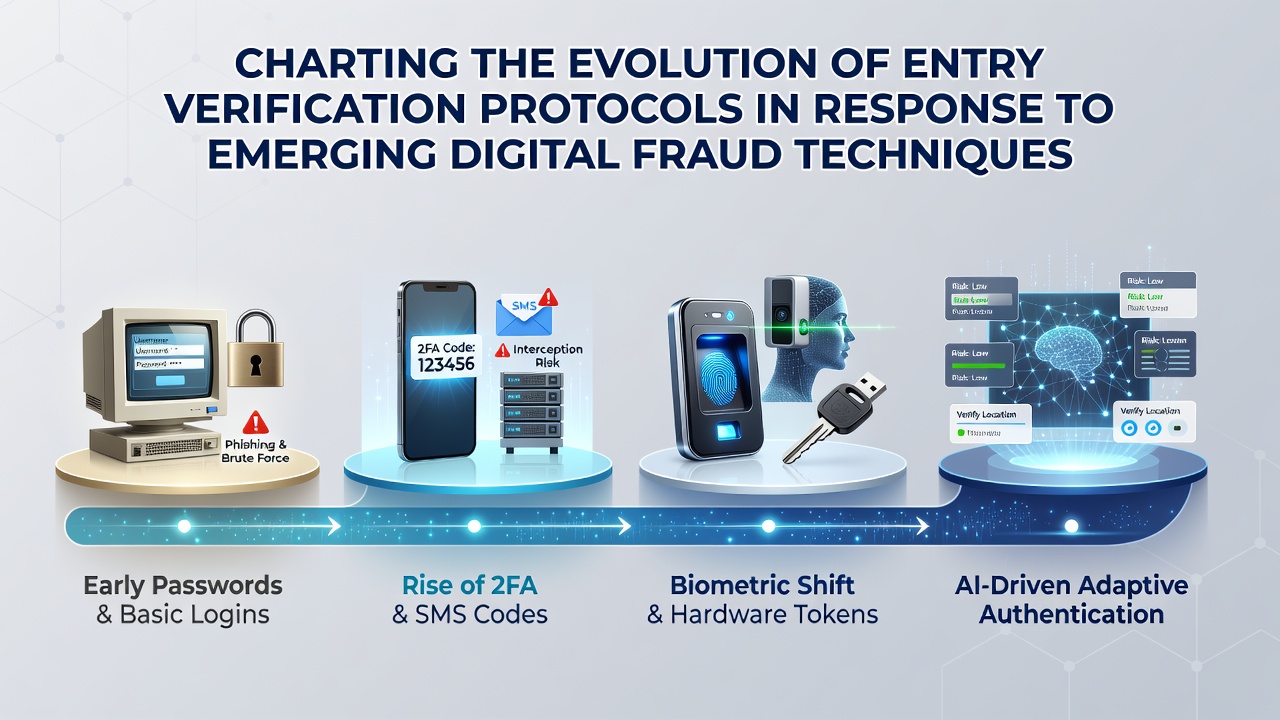
Entry verification in sweepstakes and reward programs has shifted dramatically since the early days of manual checks and paper forms, as fraud techniques grew more sophisticated with each advance in digital access. Organizers once relied on basic address confirmation and signature requirements, yet those approaches proved insufficient once automated scripts and identity spoofing tools became widely available. Data from regulatory monitoring shows that fraudulent submissions increased steadily through the 2010s, prompting developers to layer in email validation, CAPTCHA challenges, and device fingerprinting as initial countermeasures.
Initial Responses to Automated Entry Schemes
By the mid-2010s, organizers noticed patterns where single users generated thousands of entries through proxy networks and VPN rerouting, which led to the adoption of IP address logging combined with behavioral analysis that flagged rapid submission sequences. Researchers at several academic institutions documented how these early filters reduced duplicate attempts by measurable margins, although determined operators quickly adapted by rotating residential proxies and mimicking human timing intervals. The result was a continuous cycle where verification steps expanded to include phone number confirmation via SMS tokens and cross-referencing against known fraud databases maintained by industry groups.
Advanced Techniques Targeting Identity Fabrication
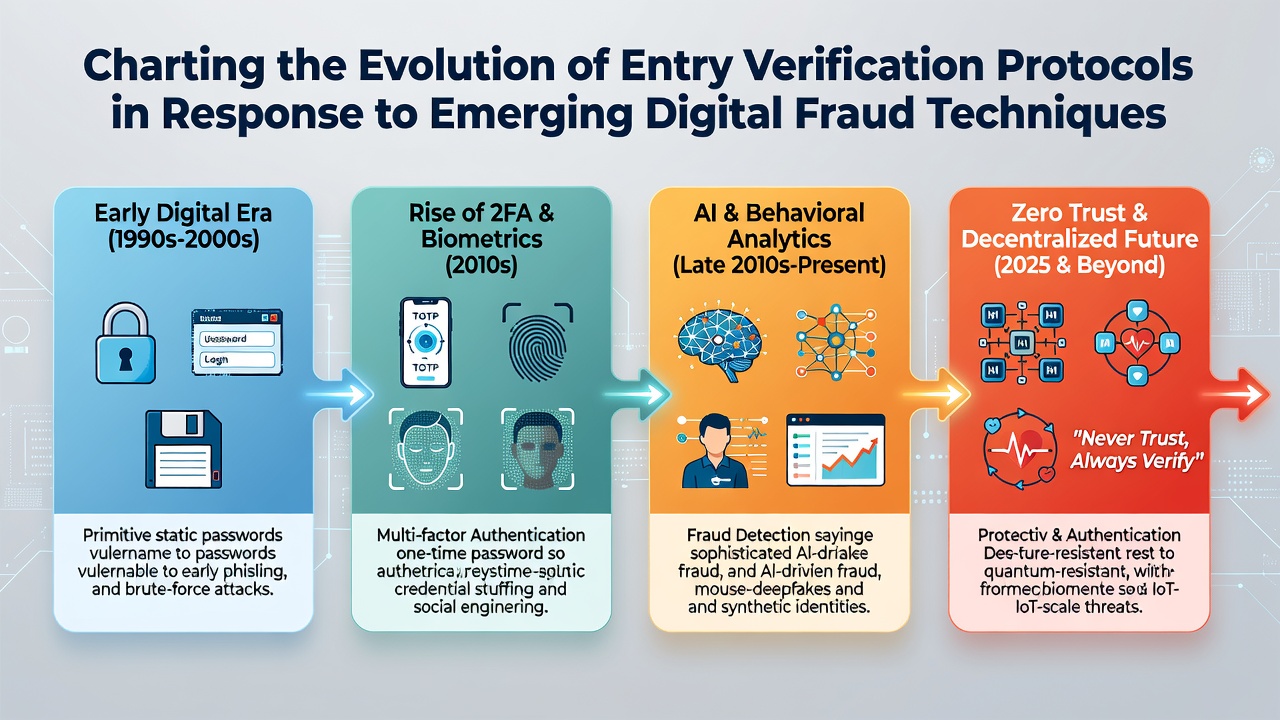
Emerging methods such as deepfake-generated identification documents and synthetic account creation forced further evolution, because traditional document uploads no longer provided reliable signals of authenticity. Verification platforms began integrating biometric elements like facial recognition matched against government-issued IDs, while also pulling real-time data from credit bureaus where permitted under applicable privacy frameworks. According to reports issued by the Federal Trade Commission, cases involving fabricated participant profiles rose notably between 2020 and 2024, which accelerated the shift toward multi-factor systems that combine knowledge-based questions with device geolocation and usage history.
Integration of Machine Learning for Pattern Detection
Machine learning models entered the picture around 2018, training on historical entry datasets to identify anomalies such as unusual submission velocities or clusters originating from similar hardware signatures. These systems flagged suspicious activity before entries reached the final pool, and subsequent updates allowed real-time retraining as new fraud vectors appeared. Observers note that by June 2026 many platforms had deployed ensemble models combining gradient boosting with neural networks, which improved detection rates without substantially increasing false positives that frustrate legitimate participants. One study from a North American research consortium found that platforms using these layered approaches experienced a 40 percent drop in verified fraud cases compared with those relying solely on rule-based filters.
Regulatory Influences on Protocol Development
Legislative changes in multiple jurisdictions required organizers to demonstrate reasonable safeguards against manipulation, which pushed verification providers to maintain auditable logs and transparent appeal processes for rejected entries. Canadian authorities, for instance, issued updated guidance on consumer protection in promotional contests that emphasized the need for robust identity checks, while parallel developments in Australian oversight focused on cross-border entry validation. These requirements encouraged adoption of blockchain-based ledgers in some larger campaigns to create immutable records of each verification step without storing excessive personal data.
Current Practices in Multi-Platform Campaigns
Today's systems often combine server-side validation with client-side signals, checking for consistency across browser fingerprints, keyboard dynamics, and even accelerometer data from mobile devices. When anomalies surface, entries move into secondary review queues where human analysts examine supporting documentation. Evidence collected by security firms indicates that coordinated bot networks continue to test these defenses, yet the addition of challenge-response mechanisms tied to behavioral biometrics has raised the cost of successful attacks. Participants in global programs now encounter region-specific requirements, such as tax identification verification for larger prize values, which further narrows opportunities for fabricated profiles.
Conclusion
Verification protocols continue to advance in step with fraud innovations, incorporating new data sources and algorithmic refinements as older methods lose effectiveness. The pattern remains one of measured adaptation rather than wholesale replacement, with organizers balancing security gains against participant friction. Ongoing collaboration between technology providers, regulatory bodies, and academic researchers supports incremental improvements that keep entry systems functional while addressing emerging threats in an increasingly connected environment.