Charting cross-border eligibility puzzles: how international tax treaties reshape participant pools in global reward events
Ulrich Long · May 23, 2026
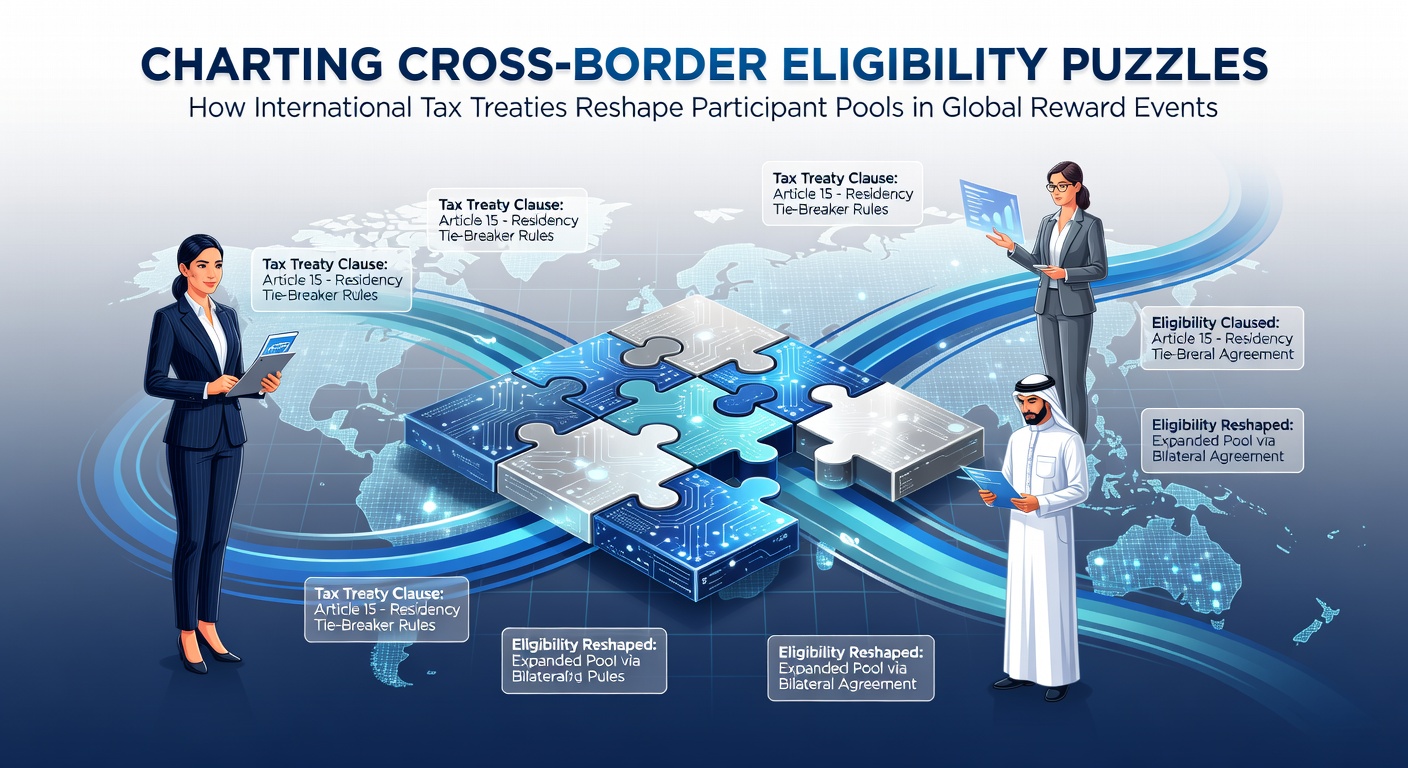
Charting cross-border eligibility puzzles: how international tax treaties reshape participant pools in global reward events
International tax treaties create complex layers of rules that determine who can enter global reward events without triggering unexpected tax obligations, and organizers respond by adjusting eligibility criteria across regions. These agreements, often modeled on frameworks from the OECD, address double taxation on prizes such as cash awards or merchandise valued above certain thresholds, which in turn influences the size and composition of participant pools.
Countries maintain networks of bilateral treaties that cap withholding taxes on contest winnings, yet the application varies depending on residency status and the location of the event sponsor. Data from regulatory filings show that participants from nations with comprehensive treaty coverage face lower effective tax rates, while those from non-treaty jurisdictions encounter higher barriers that lead many operators to exclude entire markets.
How Treaty Provisions Alter Entry Requirements
Tax treaties typically include articles on income from prizes and awards, which reduce the rate of source-country taxation from a standard 30 percent down to 15 percent or lower in many cases. This reduction shifts organizer strategies because compliance costs drop when targeting residents of treaty-partner countries, and software platforms now incorporate automated checks that verify treaty eligibility before accepting entries. Observers note that events scheduled for launch in May 2026 already incorporate updated protocols from recent renegotiations between the United States and several European partners, expanding the pool of eligible entrants from those jurisdictions.
Residency verification becomes a central process as sponsors require documentation such as tax residency certificates to apply the correct withholding rate. Those who have reviewed entry data across multiple platforms report that Canadian residents benefit from the Canada-United States treaty provisions, whereas participants in certain Asian markets without similar agreements see more frequent disqualifications during verification stages.
Participant Pool Shifts Across Regions
Global reward events experience measurable changes in entry volumes once treaty terms take effect, with spikes recorded in countries that secure reduced withholding through new agreements. Australian Taxation Office guidelines illustrate how local residents can claim credits for taxes withheld abroad under the Australia-United States treaty, which encourages higher participation rates from that region compared to non-treaty neighbors. Figures released by industry tracking services indicate that pools in treaty-covered areas grow by 20 to 35 percent following treaty ratification, while operators simultaneously tighten rules for high-risk jurisdictions to avoid audit exposure.
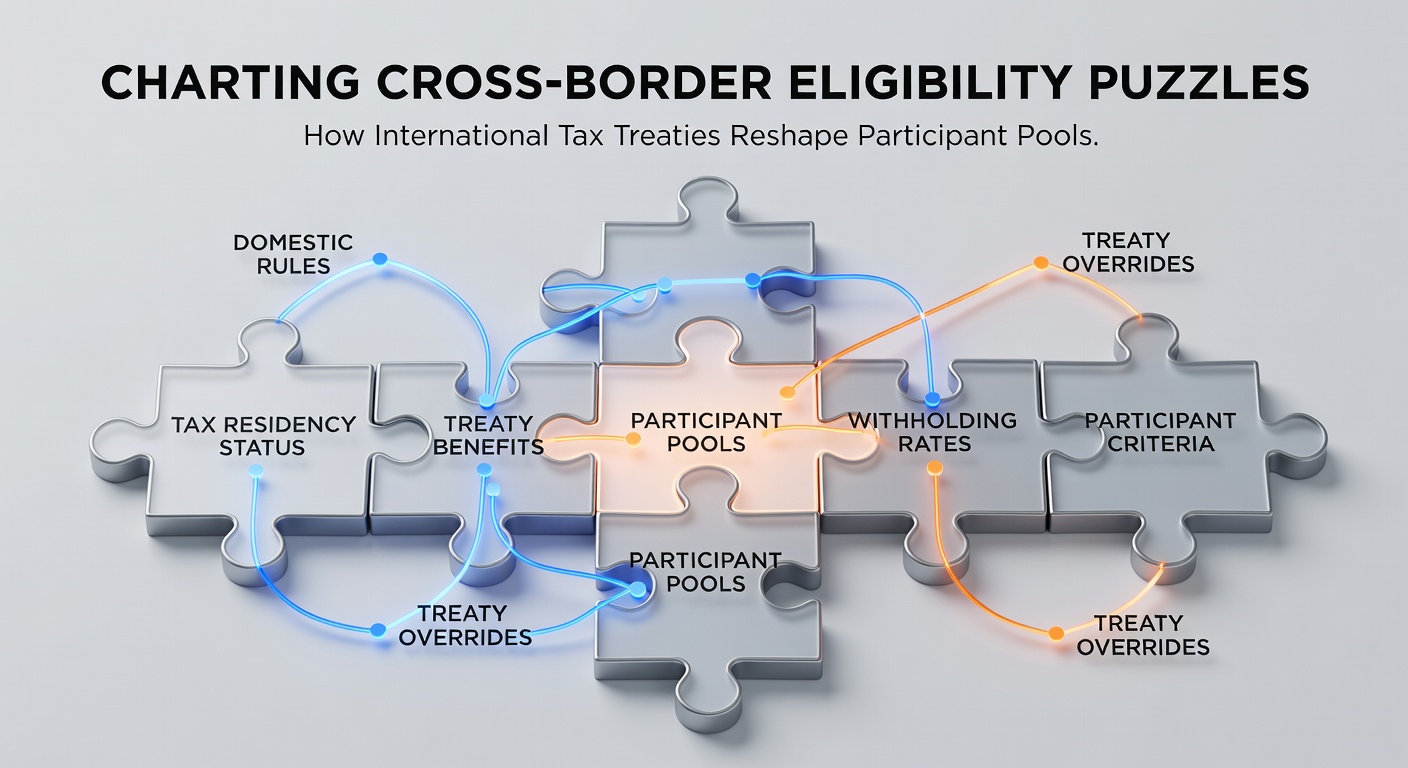
One analysis of aggregated contest archives revealed recurring patterns where organizers from the European Union adjusted their terms to align with updates in the OECD Model Tax Convention, resulting in broader access for residents of signatory states. The reality is that non-treaty countries often remain restricted because sponsors cannot efficiently manage the higher compliance burden, which narrows the overall demographic reach of the promotion.
Compliance Tools and Verification Systems
Entry platforms integrate real-time treaty databases that cross-reference applicant locations against active agreements, allowing automatic approval or flagging based on current withholding schedules. Research indicates that these systems reduce manual reviews by up to 60 percent when handling international submissions, yet they also create new eligibility puzzles when treaty status changes mid-campaign. Sponsors must monitor diplomatic developments because a single protocol amendment can suddenly open or close access for thousands of potential entrants.
Take the example of a multinational brand that relaunched its annual global giveaway after the May 2026 effective date of an updated Canada-European Union tax arrangement; entry logs showed immediate increases from previously limited Canadian provinces once the reduced rate applied. Such adjustments demonstrate how treaty mechanics directly reshape who qualifies without any alteration to the contest rules themselves.
Future Adjustments in Global Reward Structures
Operators continue to refine geographic targeting as more countries renegotiate their treaty portfolios, and emerging markets gain inclusion when new agreements lower tax friction. Evidence from academic studies on cross-border promotions suggests that participant diversity rises when treaty networks expand, although verification complexity grows in parallel. Those who track these patterns across multiple event cycles find that clear communication of tax responsibilities in entry terms helps maintain compliance while preserving pool size.
Conclusion
International tax treaties function as gatekeepers that redefine eligibility boundaries for global reward events through withholding rate adjustments and residency requirements. As agreements evolve, participant pools contract or expand according to the coverage each country secures, and organizers rely on updated compliance frameworks to manage the resulting shifts. The process remains dynamic because diplomatic changes continue to influence which regions contribute the largest shares of verified entries in future campaigns.