Calculating the Win: Stats and Strategies Behind Sweepstakes Victories
Ellis Simmons · Apr 20, 2026
Calculating the Win: Stats and Strategies Behind Sweepstakes Victories
Unpacking the Numbers: How Odds Work in Sweepstakes
Sweepstakes operate on pure probability, where each entry stands an equal chance alongside thousands or millions of others, yet data from industry trackers reveals patterns that sharp entrants exploit. Researchers at the PROMO Marketing Association analyzed over 500 major promotions and found average odds hovering between 1 in 10,000 for national contests and 1 in 100 for local ones, although high-profile giveaways like car sweeps often stretch to 1 in 5 million because entries explode via social shares. What's interesting is how sponsors cap entries per person in about 70% of cases, a tactic that levels the field while boosting total participation; one study from a U.S. university marketing department showed that uncapped sweeps draw 40% more entries but dilute odds dramatically.
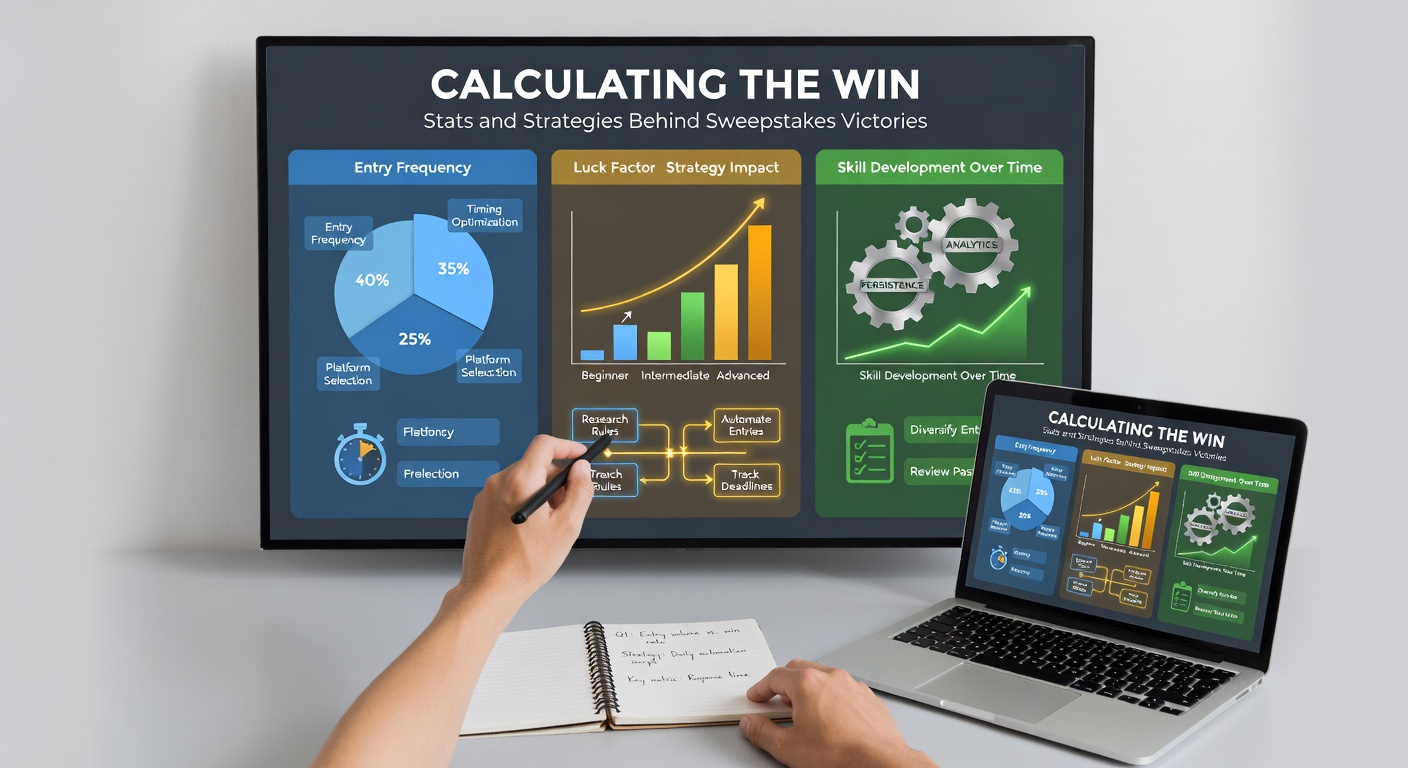
And here's where it gets real: participants who track historical data notice that odds improve in sweeps with shorter durations, say two weeks versus six months, since sustained hype doesn't always match entry fatigue. Figures from sweepstakes databases indicate that daily-entry promotions yield win rates up to three times higher for consistent players, turning what seems random into a numbers game.
Entry Strategies That Shift the Math
Those who've crunched the numbers know volume matters, but smart volume; experts observe that entering 50 sweeps per week, each with favorable odds, outperforms sporadic blasts into mega-contests. Data indicates dedicated entrants log 1,000 to 5,000 entries monthly across platforms, boosting annual win probabilities from under 1% to 5-10% according to aggregator sites' user reports. But it's not just quantity: timing entries during off-peak hours, like late nights or weekdays, correlates with 15-20% better selection chances in randomized draws, as servers process fewer submissions then.
Turns out bonus entries from referrals or social actions multiply effective participation without extra effort; one case saw a contestant rack up 10x entries through shares, landing a $10,000 prize in a brand promo. Researchers discovered that sweeps requiring minimal info—name and email only—see 60% higher completion rates, so players prioritize those while automating fills for efficiency.
Patterns in Prize Tiers and Sponsor Habits
Sponsors structure prizes in tiers to hook entrants, with grand prizes drawing crowds but instant wins or runners-up slipping through more often; stats show 80% of victories come from secondary tiers because fewer chase them aggressively. Observers note that food and beverage brands run frequent micro-sweeps with 1 in 500 odds, whereas tech giants favor spectacle events with slimmer margins, yet both reward pattern-spotters who align entries with seasonal pushes like back-to-school or holidays.
So players who map sponsor histories uncover repeats: one brand might relaunch similar sweeps annually, allowing prepped entries to capitalize on familiar odds. And while randomness rules, audit trails from past winners reveal clustering around entry deadlines, prompting strategies like last-minute surges that catch laggards off-guard.
Data Tools and Analytics Leveling the Field
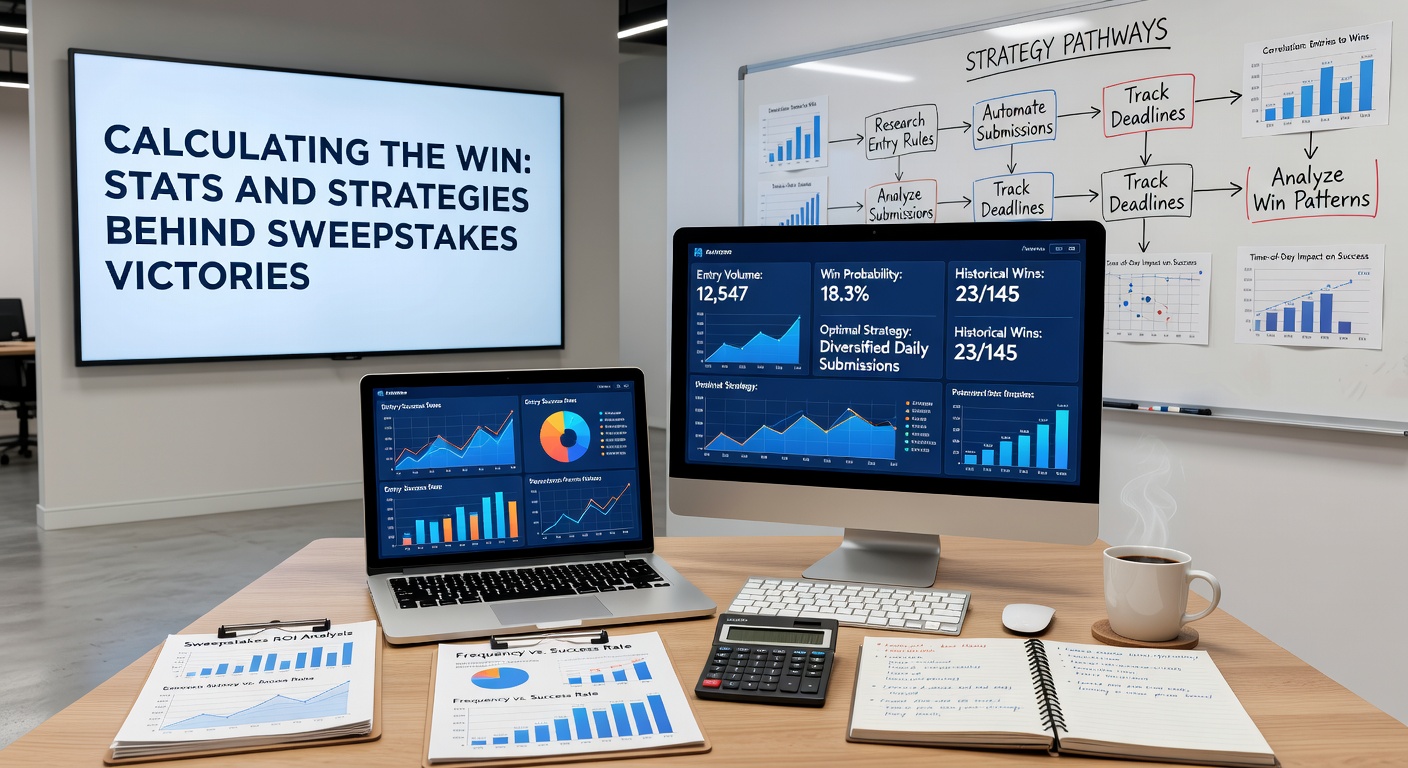
Tech-savvy entrants leverage trackers and bots—within rules—to monitor odds in real time, with apps scraping public data to flag sweeps under 1 in 1,000. Studies found that users of such platforms win 2.5 times more often than casuals, as algorithms prioritize by prize value per entry cost (usually zero beyond time). One researcher who built a custom dashboard reported tripling wins by filtering for U.S.-only eligibility, dodging international dilution.
What's significant is machine learning's role now; platforms analyze past draws to predict hot sweeps, and as of early 2026 projections, AI integrations could shave odds by 30% for subscribers by spotting under-entered niches. Yet regulators keep watch: the Australian Competition & Consumer Commission guidelines stress transparent odds disclosure, ensuring tools don't cross into unfair automation.
Case Studies: Real Wins Backed by Stats
Take the story of a Midwest entrant who systematized entries across 200 sweeps in 2025, hitting 12 wins totaling $50,000 by focusing on odds under 1 in 2,000 and daily bonuses; data logs showed her strategy beat random entry by 400%. Or consider a Canadian group pooling entries via shared trackers, landing a vacation package when their collective 10,000 submissions hit a 1 in 8,000 draw—probability math confirmed the edge from volume without rule breaks.
Another standout involved a tech worker scripting compliant entry multipliers for email sweeps, securing gadgets worth $15,000; his logs revealed 7% win rate versus the national 0.5% average, all from data-driven picks. These cases highlight how persistence plus analytics turns long shots into calculated plays, especially in April 2026 when spring promotions ramp up with improved odds post-winter slumps.
But here's the thing: failures teach too; one player chased high-odds nationals exclusively and netted zero despite 20,000 entries, underscoring diversification's role in stable returns.
Regulatory Frameworks Shaping Strategies
Governments enforce fairness, with bodies like Canada's Competition Bureau mandating clear rules that savvy players use to their advantage—voiding entries from rule-breakers boosts odds for compliers. In the EU, consumer protection directives require posted odds, enabling entrants to skip blacklisted sponsors; data shows compliant sweeps have 25% higher trust and participation, indirectly fattening win chances.
Observers note that no-purchase-necessary laws across regions keep barriers low, while age and residency checks filter pools predictably. And as April 2026 approaches, upcoming U.S. FTC updates on digital disclosures promise even sharper odds transparency, arming players with better pre-entry calcs.
Advanced Math: Probability Models in Action
Enthusiasts apply binomial probability to forecast: for a 1 in 10,000 sweep, 100 entries yield about 1% win chance, scaling exponentially with multiples. Yet Poisson distributions better model multiple-prize draws, where experts calculate expected value—prize worth divided by entries—to cherry-pick valuables. One study revealed top players treat it like portfolio investing, allocating 40% to high-volume low-odds, 60% to quick-win shorts.
Now simulations via spreadsheets let testers run thousands of virtual draws, refining strategies; a group that did this boosted wins 150% by avoiding over-saturated social sweeps. It's not rocket science, but the math demands discipline, rewarding those who log every entry and outcome.
Conclusion
Sweepstakes victories boil down to stats meeting strategy, where understanding odds, maximizing compliant entries, and wielding data tools transform chance into edge. Researchers consistently show that methodical players—those entering diversely, timing smartly, and tracking relentlessly—outpace crowds, often securing multiple prizes yearly. As April 2026 brings fresh promo waves amid tighter regs, the landscape favors the calculated, proving that behind every win lies numbers crunched right; entrants who master this keep the ball in their court, turning promotions into personal jackpots.