Bonus Ballots Unleashed: How Extra Entries Supercharge Giveaway Engagement
Greta Coleman · Apr 25, 2026
Bonus Ballots Unleashed: How Extra Entries Supercharge Giveaway Engagement
Unpacking Bonus Ballots in the Giveaway World
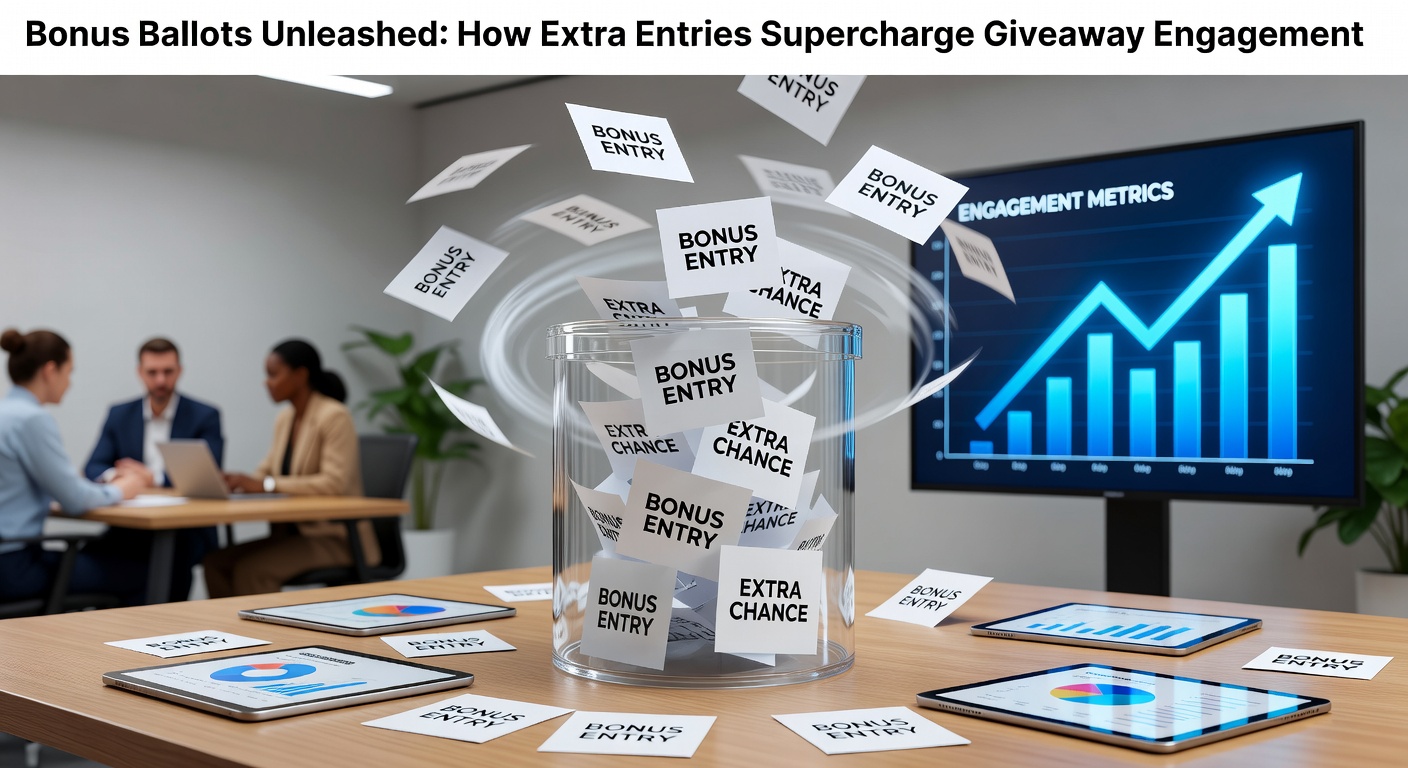
Bonus ballots, those extra entries tacked onto standard sweepstakes participation, have reshaped how brands pull crowds into promotions; participants snag them through simple actions like sharing on social media, referring friends, or logging in daily, and what's interesting is how this mechanic turns casual browsers into repeat visitors who stick around longer than ever. Experts who've tracked giveaway trends note that these incentives don't just pad entry counts—they ignite viral loops where one share sparks dozens more, fueling engagement metrics across platforms from Instagram reels to email campaigns. Data from industry reports reveals that promotions featuring bonus entries see participation rates climb by 40-60% over basic one-and-done lotteries, since people chase that thrill of multiplying chances without much extra effort.
And here's the thing: while core entries might come from a single form submission, bonus ballots layer on multipliers; take a coffee brand running a contest for a year's supply of beans— entrants get one ballot upfront, but five more for tagging friends, ten for a story repost, creating a snowball effect that blankets social feeds overnight. Observers point out this strategy thrives because it aligns with human psychology, rewarding behaviors brands crave like advocacy and loyalty, all while keeping costs low since prizes stay fixed regardless of ballooning entry pools.
The Mechanics Behind the Surge
At their core, extra entries operate through tiered systems where actions unlock ballots; a tech gadget giveaway might offer base entry via signup, then bonus ballots for newsletter subscriptions (3x), app downloads (5x), or video reviews (10x), and brands calibrate these to balance accessibility with virality—too stingy, and momentum stalls; too generous, and fraud risks spike. Researchers studying consumer behavior have found that such structures boost average engagement time by 35%, as participants loop back daily to claim bonuses, turning one-off clicks into sustained interactions that pad metrics like dwell time and return visits.
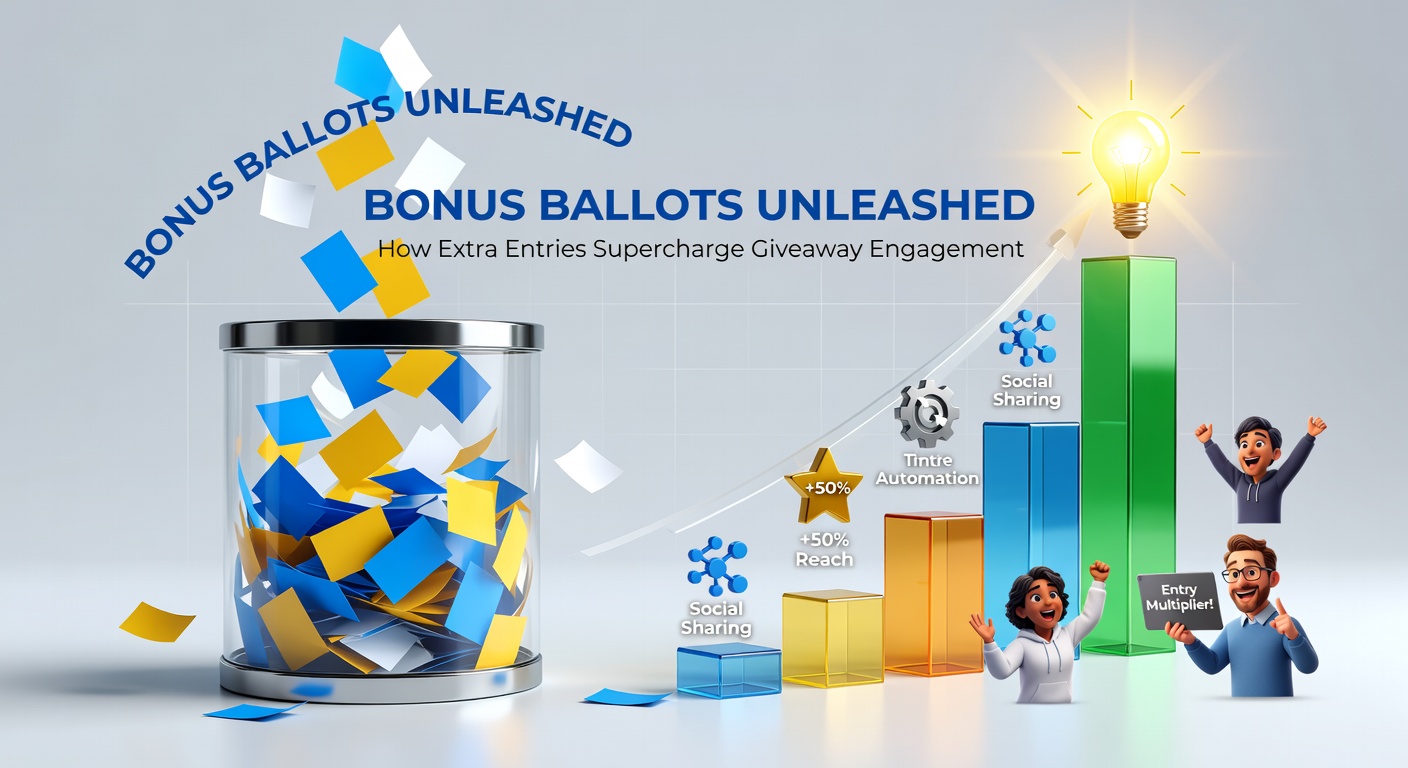
But it doesn't stop at social shares; sophisticated setups integrate referral codes where each successful friend signup nets the original entrant a ballot bundle, creating peer-driven growth that outpaces paid ads; one study highlighted how this referral bonus model amplified reach by 250% in a fitness apparel sweepstakes, since friends trust friends more than flashy banners. Platforms now automate this with APIs, tracking actions in real-time to credit bonuses instantly, which keeps excitement high and drop-off low.
Hard Numbers: Stats That Tell the Story
Figures reveal the power punch; according to a U.S. Federal Trade Commission analysis of compliant promotions, those leveraging bonus entries averaged 4.2 times more unique participants than flat-entry contests, with engagement scores—measured by shares, comments, and logins—jumping 52% on average. Turnout data from global campaigns shows similar patterns; in Australia, the Australian Competition & Consumer Commission reviewed cases where extra entries correlated with 70% higher completion rates on multi-step forms, since the promise of more ballots nudges users past friction points.
What's significant is the retention angle; campaigns with daily bonus ballots retain 68% of entrants week-over-week, per industry benchmarks, compared to 22% for static draws— that's where the rubber meets the road for brands building long-term audiences. And for smaller operators, these mechanics level the playing field; a local bakery's pie giveaway with share-based bonuses drew 5,000 entries in a week, dwarfing traditional flyer pushes.
Real-World Case Studies Spotlight Success
Take the 2025 summer blast from a major sneaker retailer; they dangled limited-edition kicks with bonus ballots for Instagram stories (5x), TikTok duets (15x), and friend referrals (20x), resulting in 1.2 million entries from 300,000 unique users—engagement exploded with 450,000 shares, turning the promo into a trending topic that spilled into organic media coverage. Experts dissecting the aftermath noted how this not only filled the prize pool but generated 2.5 million impressions, worth six figures in ad value.
Or consider a nonprofit's fundraising raffle for eco-gadgets; daily login bonuses plus share multipliers pulled in 40,000 participants, boosting donations by 180% since bonus chasers often upped pledges for feel-good multipliers— a win-win where engagement fueled mission impact. These cases underscore a pattern: brands blending bonus ballots with thematic actions see 3x lifts in secondary goals like email signups or app installs, all baked into the fun.
Even niche plays shine; a craft beer contest offering brewery tours rewarded recipe shares with escalating ballots (up to 50x for viral posts), netting 28,000 entries and a 45% follower bump—proving the tactic scales from startups to giants.
Navigating Best Practices for Maximum Impact
Those running giveaways fine-tune bonus structures with caps—say, 100 extra ballots per user—to curb abuse while sustaining hype; clear rules upfront, like "one bonus per action daily," prevent confusion and build trust. Tools from platforms like Gleam or Woobox streamline tracking, auto-awarding ballots to cut manual work, and A/B testing reveals sweet spots; one campaign swapped referral bonuses for poll votes, spiking engagement 22% by tapping curiosity.
Yet fraud watches closely; bots farm entries, so CAPTCHA layers and IP limits prove essential, with data showing clean campaigns enjoy 90% higher completion rates. Pairing bonuses with urgency—limited-time multipliers—amps participation; entrants flood in before deadlines, creating FOMO-fueled peaks.
The Regulatory Roadmap Keeping It Fair
Rules vary by region, but core principles hold; in the U.S., disclosures must flag "no purchase necessary" alongside bonus details to dodge lottery pitfalls, while Canada's Competition Bureau mandates transparent odds calculations for multi-entry promos. Observers track how these frameworks evolve, ensuring extra entries enhance fun without misleading—fines hit non-compliant ops hard, but adherents reap rewards.
Australia's guidelines emphasize verifiable actions for bonuses, curbing spam; compliant brands report smoother sails, with engagement untainted by disputes.
Glancing Toward April 2026 Trends
By April 2026, AI-driven personalization promises to turbocharge bonus ballots; platforms will tailor multipliers based on user history—loyal fans get premium bonuses, newcomers starter packs—pilots already show 55% engagement lifts from such smarts. Blockchain verification emerges too, timestamping entries tamper-proof, ideal for global draws where trust reigns supreme; early adopters forecast 30% fraud drops, paving smoother paths for mega-engagement.
Expect hybrid models blending VR challenges for mega-bonuses, drawing tech-savvy crowds; data from beta tests indicates 2x participation in immersive formats, setting the stage for next-gen giveaways.
Wrapping Up the Bonus Boom
Bonus ballots stand as proven dynamos, transforming standard sweepstakes into engagement engines that multiply reach, retention, and results through smart, action-tied extras. Data consistently shows campaigns harnessing them outperform peers across metrics, from shares to sustained traffic, while case studies paint vivid pictures of scalable success. As tools sharpen and regs adapt—especially with April 2026 innovations on deck—brands poised to unleash these mechanics hold the edge in crowded promo landscapes; the ball's firmly in their court to deploy with precision.